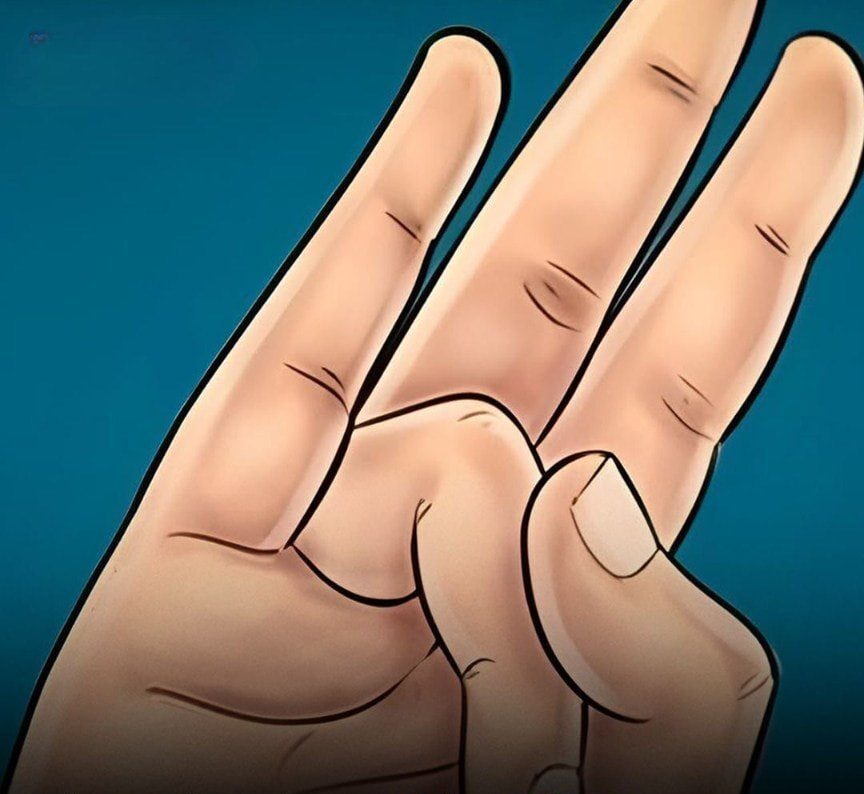
Why People Are Trying This Simple Finger Stretching Technique
In recent years, simple wellness routines have become increasingly popular online, especially techniques that promise to help people feel more relaxed, flexible, and comfortable during busy daily life. One trend gaining attention involves finger stretching exercises — simple hand and finger movements that many people say help reduce stiffness, improve comfort, and support better hand mobility.
From office workers and smartphone users to musicians, crafters, athletes, and older adults, more people are exploring gentle finger stretching routines as part of their daily self-care habits.
While finger stretching is not a miracle cure for medical conditions, regular hand mobility exercises may help support flexibility, circulation, and comfort when practiced safely and consistently.
- Why finger stretching techniques are becoming popular
- Possible benefits of finger stretches
- Common causes of hand stiffness
- Easy finger stretching exercises
- Who may benefit most
- Important safety tips
- What experts say about hand mobility and wellness
This article is educational only and not intended as medical advice.
Why Finger Stretching Has Become So Popular
Modern lifestyles place heavy demands on the hands.
Many people spend hours daily:
- Typing
- Texting
- Gaming
- Writing
- Driving
- Using tools
- Performing repetitive hand motions
As a result, hand fatigue and stiffness have become common complaints.
Simple stretching routines appeal to people because they:
- Take only a few minutes
- Require no equipment
- Can be done almost anywhere
- Feel relaxing and accessible
Social media platforms have also helped spread awareness of quick hand wellness exercises.
What Is Finger Stretching?
Finger stretching involves gentle movements designed to improve mobility and flexibility in the:
- Fingers
- Hands
- Wrists
These stretches may involve:
- Opening and closing the hands
- Pulling fingers gently
- Rotating wrists
- Extending tendons and muscles
The goal is usually to encourage comfortable movement and reduce tension.
Why Hands and Fingers Become Stiff
Several factors may contribute to hand discomfort or stiffness.
Repetitive Motions
Repeated movements such as typing or texting may strain hand muscles and tendons over time.
Aging
Joint flexibility naturally changes with age.
Some people notice:
- Reduced mobility
- Stiffness
- Slower hand recovery
Poor Ergonomics
Improper hand positioning during work or device use may increase tension.
Lack of Movement
Keeping hands in one position for long periods may contribute to stiffness.
Stress and Tension
Some people unconsciously tighten muscles in the hands and fingers during stress.
Possible Benefits of Finger Stretching
Although research continues evolving, gentle stretching may support general hand comfort and mobility.
1. Improved Flexibility
Stretching may help maintain range of motion in fingers and wrists.
2. Reduced Stiffness
Many people report feeling less tightness after gentle mobility exercises.
3. Better Circulation
Movement encourages blood flow throughout the hands and fingers.
4. Increased Hand Awareness
Stretching may help people notice tension patterns and improve posture during repetitive tasks.
5. Relaxation
Simple stretching routines may feel calming, especially during stressful workdays.
Common Finger Stretching Techniques People Try
Finger Fan Stretch
How It Works
- Spread fingers apart as wide as comfortable
- Hold briefly
- Relax slowly
This movement gently activates hand muscles.
Fist-to-Open-Hand Stretch
Steps
- Make a gentle fist
- Slowly open the hand fully
- Repeat several times
This exercise promotes hand mobility.
Thumb Stretch
How It Works
- Extend fingers outward
- Gently pull the thumb away from the palm
- Hold briefly
This may help people who use phones or keyboards frequently.
Finger Pull Stretch
Some people gently pull each finger individually to encourage relaxation.
Important:
Movements should remain gentle and pain-free.
Wrist Rotations
Hand stiffness often involves the wrists too.
Slow wrist circles may help improve flexibility.
Tendon Glide Exercises
These involve moving fingers through different controlled positions to support mobility.
They are commonly used in hand therapy settings.
Who May Benefit From Finger Stretching?
Many people include hand stretches in wellness routines.
Possible groups include:
- Office workers
- Gamers
- Musicians
- Artists
- Writers
- Older adults
- People who use smartphones frequently
However, stretching should always remain gentle and comfortable.
Finger Stretching and Technology Use
Modern device habits place constant demands on hands.
Frequent smartphone use may involve:
- Repetitive thumb movements
- Wrist bending
- Tight gripping
This has contributed to growing interest in hand mobility exercises.
Can Finger Stretching Help With Arthritis?
Some people with joint stiffness use gentle stretches as part of broader wellness routines.
However:
- Not every exercise is appropriate for everyone
- Painful movements should be avoided
- Medical guidance is important for ongoing joint conditions
Stretching is not a cure for arthritis.
Importance of Hand Ergonomics
Stretching works best alongside healthy hand habits.
Helpful ergonomic strategies include:
- Keeping wrists neutral while typing
- Taking regular breaks
- Adjusting keyboard height
- Using supportive equipment
Prevention matters as much as stretching itself.
How Often Should People Stretch Their Fingers?
Many people perform gentle stretches:
- During work breaks
- After repetitive tasks
- In the morning
- Before hobbies involving hand use
Short sessions may be more helpful than aggressive stretching.
Warning Signs You Should Stop Stretching
Stretching should never cause sharp pain.
Stop and seek medical guidance if you experience:
- Severe pain
- Numbness
- Swelling
- Weakness
- Tingling that persists
Persistent symptoms may require professional evaluation.
The Connection Between Movement and Joint Health
Regular movement helps support:
- Circulation
- Muscle flexibility
- Joint mobility
Long periods of immobility may increase stiffness throughout the body, including the hands.
Finger Stretching and Stress Relief
Some people find repetitive hand stretches relaxing during stressful situations.
Simple movement routines may help encourage:
- Body awareness
- Relaxation
- Short mental breaks
This may partly explain the growing popularity of these exercises online.
Common Mistakes People Make
Stretching Too Aggressively
Forcing joints beyond comfortable limits may increase strain.
Ignoring Pain
Pain is a signal to stop.
Expecting Instant Results
Mobility improvements usually happen gradually with consistency.
Skipping Breaks During Repetitive Tasks
Stretching alone cannot fully offset hours of poor hand posture.
Other Healthy Habits for Hand Wellness
Stay Physically Active
General movement supports circulation and joint function.
Hydration
Proper hydration supports tissue function throughout the body.
Balanced Nutrition
Healthy eating supports muscles, joints, and connective tissues.
Adequate Sleep
Rest allows tissues to recover.
Warm-Up Before Intensive Hand Activity
Musicians, athletes, and artists often warm up hands before repetitive tasks.
Can Finger Stretching Improve Grip Strength?
Stretching primarily supports flexibility and mobility.
Grip strength is more closely linked to:
- Muscle conditioning
- Resistance exercises
- Overall hand health
Some people combine stretching with strengthening exercises.
Finger Stretching for Older Adults
As mobility naturally changes with age, gentle stretching may help support:
- Comfort
- Flexibility
- Daily hand function
However, exercises should remain safe and individualized.
Why Social Media Popularized Finger Stretching
Short wellness routines often spread quickly online because they:
- Look easy
- Require no equipment
- Feel approachable
- Fit busy schedules
However, viral trends should still be approached realistically.
The Importance of Moderation
Gentle, consistent stretching is generally safer than intense routines.
The goal is:
- Comfort
- Mobility
- Relaxation
—not forcing extreme flexibility.
Frequently Asked Questions
Can Finger Stretching Cure Hand Problems?
No. Stretching may support comfort and mobility but is not a cure for medical conditions.
Is Daily Finger Stretching Safe?
Gentle stretching is often safe for many people, but painful movements should be avoided.
Can Typing Cause Hand Stiffness?
Repetitive typing may contribute to tension or discomfort for some individuals.
Should Stretching Hurt?
No. Stretching should feel gentle, not painful.
Can Older Adults Benefit From Hand Exercises?
Many older adults use gentle mobility exercises to support flexibility and daily function.
When to Seek Medical Advice
Consult a healthcare professional if you experience:
- Persistent hand pain
- Numbness
- Swelling
- Weakness
- Difficulty using hands normally
Medical evaluation is important for ongoing symptoms.
Final Thoughts
The growing popularity of simple finger stretching techniques reflects a larger interest in wellness routines that are easy, accessible, and practical for everyday life. In a world where many people spend hours typing, texting, gaming, and performing repetitive hand movements, it’s understandable why gentle hand exercises have gained attention.
While finger stretching is not a miracle solution, gentle mobility exercises may help support flexibility, circulation, relaxation, and overall hand comfort when practiced safely and consistently.
The key is moderation, proper technique, and realistic expectations. Combined with healthy ergonomics, regular movement, balanced lifestyle habits, and appropriate medical care when needed, simple hand stretches may become a helpful part of maintaining daily comfort and mobility over time.