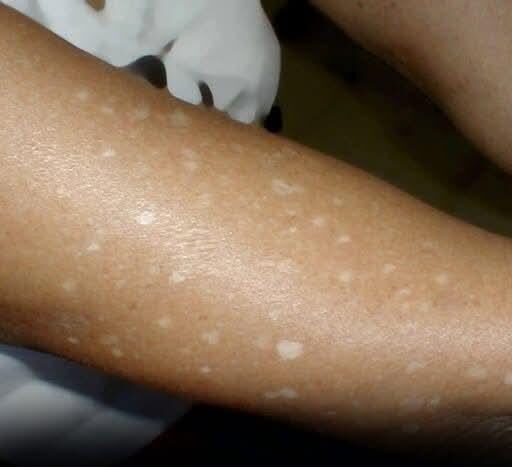
Small White Spots on the Skin: Common Causes and What to Know
Noticing small white spots on the skin can be surprising and sometimes concerning. These spots may appear gradually or suddenly on areas such as the arms, legs, face, chest, or hands. In many cases, white spots are harmless and linked to common skin changes, but they can also be associated with certain skin conditions, nutritional concerns, or sun-related damage.
Because skin appearance can vary widely from person to person, identifying the exact cause of white spots is not always simple. Some spots may remain unchanged for years, while others may spread, become more noticeable, or appear alongside other symptoms like dryness, itching, or flaking.
Understanding the possible causes of small white spots can help people know when the condition may be harmless and when medical attention may be helpful.
Why White Spots Appear on the Skin
Skin color is influenced by melanin, a natural pigment produced by specialized skin cells called melanocytes. White spots may develop when:
- Melanin production decreases
- Pigment cells become damaged
- Skin inflammation affects pigmentation
- Fungal overgrowth interferes with normal skin color
- Aging or sun exposure changes skin appearance
The appearance of white spots can differ in:
- Size
- Shape
- Texture
- Location
- Number
Some spots are flat and smooth, while others may feel dry or slightly raised.
Common Causes of Small White Spots on the Skin
Several conditions may contribute to small white spots.
1. Idiopathic Guttate Hypomelanosis
One of the most common causes of small white spots is a condition called idiopathic guttate hypomelanosis.
This condition often appears as:
- Tiny white spots
- Smooth, flat areas
- Round or oval shapes
The spots commonly develop on:
- Arms
- Legs
- Shoulders
- Sun-exposed areas
Who Commonly Develops It?
It is more common in:
- Older adults
- People with significant sun exposure
- Individuals with lighter skin tones
The condition is generally harmless and not contagious.
Possible Cause
Experts believe long-term sun exposure and natural aging may contribute to these pigment changes.
2. Tinea Versicolor
Tinea versicolor is a common fungal skin condition caused by yeast naturally found on the skin.
It may cause:
- White spots
- Light brown patches
- Pinkish discoloration
- Mild scaling
Common Locations
- Chest
- Back
- Neck
- Upper arms
The spots may become more noticeable after sun exposure because affected skin does not tan evenly.
Symptoms
Some people also experience:
- Mild itching
- Dryness
- Flaky skin
3. Vitiligo
Vitiligo is a condition in which pigment-producing cells are lost, causing clearly defined white patches on the skin.
These patches may:
- Spread gradually
- Affect different body areas
- Become symmetrical
Common Areas Affected
- Hands
- Face
- Around the eyes
- Elbows
- Knees
Hair in affected areas may also lose pigment.
Is Vitiligo Dangerous?
Vitiligo itself is not contagious or life-threatening, but it can affect emotional well-being and self-confidence for some individuals.
4. Post-Inflammatory Hypopigmentation
White spots sometimes develop after skin inflammation or injury.
This may occur after:
- Eczema
- Psoriasis
- Burns
- Cuts
- Acne
- Skin irritation
As the skin heals, some areas may temporarily lose pigment.
Can Pigment Return?
In many cases, pigment gradually returns over time, though recovery varies.
5. Milia
Milia are tiny white bumps caused by trapped keratin beneath the skin surface.
They commonly appear:
- Around the eyes
- On the cheeks
- On the forehead
Unlike pigment-related white spots, milia are small raised bumps rather than flat patches.
Who Gets Milia?
Milia can affect:
- Infants
- Children
- Adults
They are usually harmless.
6. Nutritional Deficiencies
Certain nutritional deficiencies may occasionally contribute to skin pigment changes.
Possible nutrients linked to skin health include:
- Vitamin B12
- Vitamin D
- Copper
- Zinc
However, white spots alone do not automatically indicate a deficiency.
7. Sun Damage
Years of ultraviolet (UV) exposure may contribute to uneven pigmentation.
Sun-related pigment changes can appear as:
- Small white spots
- Freckles
- Dark spots
- Uneven skin tone
Sun exposure is a major factor in many visible skin changes over time.
8. Eczema and Dry Skin Conditions
Some dry skin conditions may leave lighter patches after inflammation subsides.
These areas may look:
- Pale
- Slightly flaky
- Dry
Children commonly develop lighter patches after eczema flare-ups.
9. Pityriasis Alba
Pityriasis alba is a common skin condition often seen in children and teenagers.
It may cause:
- Light patches
- Mild dryness
- Slight scaling
The spots usually appear on:
- Face
- Arms
- Neck
The condition is generally harmless.
10. Chemical Exposure or Skin Products
Some skin products or chemicals may irritate the skin and temporarily affect pigmentation.
This may happen with:
- Harsh exfoliants
- Skin bleaching products
- Irritating cosmetics
Skin sensitivity varies between individuals.
Are White Spots Always Serious?
No. Many white spots are harmless and related to:
- Aging
- Sun exposure
- Mild fungal conditions
- Temporary pigment changes
However, persistent or spreading spots should still be evaluated professionally.
Symptoms That May Occur Alongside White Spots
Depending on the cause, white spots may appear with:
- Itching
- Dryness
- Flaking
- Redness
- Scaling
- Skin sensitivity
The presence of additional symptoms can help healthcare providers identify possible causes.
When to Seek Medical Advice
Medical evaluation may be helpful if:
- White spots spread rapidly
- The spots become itchy or painful
- Skin texture changes significantly
- Spots appear suddenly without explanation
- The condition causes emotional distress
Dermatologists can often identify causes through skin examination.
How Doctors Diagnose White Spots
Diagnosis may involve:
- Visual skin examination
- Medical history review
- Wood’s lamp examination
- Skin scraping for fungal testing
- Occasionally, skin biopsy
Accurate diagnosis helps determine appropriate treatment options.
Common Treatment Approaches
Treatment depends entirely on the underlying cause.
Antifungal Treatments
Tinea versicolor may improve with:
- Medicated shampoos
- Antifungal creams
- Prescription medications
Moisturizers and Skin Care
Dry skin conditions often benefit from:
- Gentle moisturizers
- Reduced irritation
- Fragrance-free products
Sun Protection
Daily sunscreen use may help:
- Prevent further pigment changes
- Reduce contrast between affected and unaffected skin
Prescription Treatments
Certain pigment conditions may require:
- Topical medications
- Light therapy
- Dermatology-guided care
Lifestyle Habits That Support Skin Health
Healthy daily habits may help support overall skin wellness.
Protect Skin From Excess Sun Exposure
Use:
- Sunscreen
- Protective clothing
- Shade when possible
Stay Hydrated
Hydration supports overall skin function.
Maintain Balanced Nutrition
A varied diet supports healthy skin structure and repair.
Avoid Harsh Skin Products
Overly aggressive products may irritate sensitive skin.
Manage Chronic Skin Conditions
Proper care for eczema or psoriasis may reduce pigment changes after inflammation.
Common Myths About White Spots on the Skin
Myth 1: White Spots Always Mean Vitiligo
Many different conditions can cause white spots.
Myth 2: White Spots Are Always Contagious
Most causes are not contagious.
Myth 3: White Spots Automatically Indicate Nutritional Deficiency
Nutritional deficiencies are only one possible factor.
Myth 4: Scrubbing the Skin Removes White Spots
Aggressive scrubbing may worsen irritation.
Can White Spots Go Away on Their Own?
Some white spots improve naturally over time, especially those linked to:
- Mild inflammation
- Dry skin
- Temporary pigment changes
Others may remain stable long term.
Emotional Impact of Visible Skin Changes
Visible skin conditions can sometimes affect:
- Confidence
- Self-esteem
- Social comfort
Supportive medical guidance and proper diagnosis may help reduce anxiety about appearance changes.
Skin Health and Aging
As people age, changes in skin pigmentation become more common.
Factors contributing to visible skin changes include:
- Sun exposure
- Genetics
- Skin type
- Hormonal changes
- Environmental factors
Frequently Asked Questions
Are Small White Spots Dangerous?
Many are harmless, though some conditions require evaluation.
Can Sun Exposure Cause White Spots?
Yes. Long-term UV exposure may contribute to pigment changes.
Is Vitiligo Contagious?
No. Vitiligo is not contagious.
Can Fungal Infections Cause White Spots?
Yes. Tinea versicolor is a common fungal cause.
Should White Spots Always Be Treated?
Treatment depends on the cause and whether symptoms are bothersome.
Final Thoughts
Small white spots on the skin are common and can develop for many different reasons, including sun exposure, fungal conditions, dry skin, aging, inflammation, and pigment disorders. While many cases are harmless, changes in skin color can sometimes signal underlying conditions that deserve medical attention.
Because different causes can appear similar, professional evaluation is often the best way to determine what’s happening and whether treatment is necessary. Paying attention to associated symptoms, skin texture changes, and spreading patterns may help identify when further evaluation is important.
Healthy skin habits such as sun protection, gentle skin care, hydration, and balanced nutrition may support overall skin wellness and help reduce irritation or further pigment changes over time.