Stop Throwing Away Eggshells: 10 Smart Ways to Reuse Them
Discover How Eggshells Can Become a Useful Household and Garden Resource
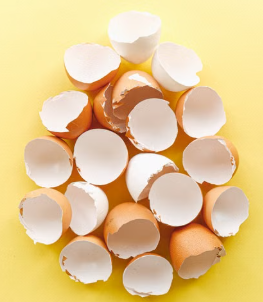
Every day, millions of eggs are used in kitchens around the world, and the shells are often tossed straight into the trash. However, those fragile shells are far more useful than most people realize.
Eggshells contain valuable minerals, especially calcium carbonate, which makes them beneficial for gardening, cleaning, crafts, and even creative household projects. Instead of treating eggshells as waste, you can transform them into practical solutions that save money, reduce waste, and support a more sustainable lifestyle.
Whether you enjoy gardening, DIY projects, or simply want to make better use of everyday items, there are many smart ways to reuse eggshells around your home.
In this guide, you’ll discover 10 clever ways to reuse eggshells and learn how this common kitchen leftover can become a valuable resource.
Why You Should Reuse Eggshells
Before throwing away eggshells, consider what they contain.
Eggshells are made primarily of calcium carbonate, a natural mineral that can benefit soil and support various household uses.
Benefits of Reusing Eggshells
- Reduces kitchen waste
- Adds nutrients to compost
- Helps improve garden soil
- Provides a natural alternative for some household tasks
- Encourages eco-friendly habits
- Saves money on gardening supplies
A simple change in how you handle food scraps can make a meaningful difference over time.
1. Use Eggshells as Natural Garden Fertilizer
One of the most popular uses for eggshells is adding them to garden soil.
Because eggshells are rich in calcium, they can contribute minerals to the soil as they slowly break down.
How to Prepare Eggshell Fertilizer
- Rinse eggshells thoroughly.
- Allow them to dry completely.
- Crush them into small pieces or grind them into a powder.
- Sprinkle around plants or mix into soil.
Ground eggshells are easier for soil organisms to break down compared with large pieces.
Plants That May Benefit
- Tomatoes
- Peppers
- Eggplants
- Leafy greens
- Herbs
Eggshells should be viewed as a soil amendment rather than a complete fertilizer because plants also need other nutrients.
2. Add Eggshells to Your Compost
If you already compost kitchen scraps, eggshells make a useful addition.
Crushed eggshells can contribute minerals to finished compost and help reduce household food waste.
Composting Tips
- Wash shells before composting.
- Crush them into smaller pieces.
- Mix them evenly with other compost materials.
Over time, the shells break down and become part of nutrient-rich compost that can improve garden soil.
3. Improve Soil Structure
Eggshell powder can help gardeners looking for natural ways to improve soil quality.
When finely crushed, eggshell particles can mix into soil and contribute minerals while adding a small amount of texture.
How to Use Eggshell Powder
- Add a handful to planting holes.
- Mix into garden beds before planting.
- Sprinkle around established plants.
For best results, grind shells into a fine powder because larger pieces break down much more slowly.
4. Create Seed Starters from Eggshells
Eggshells can become tiny biodegradable plant containers.
This is a creative way to start seedlings while reducing waste.
How to Make Eggshell Seed Starters
- Carefully crack eggs near the top.
- Clean the shells.
- Add a small drainage hole at the bottom.
- Fill with potting soil.
- Plant seeds.
- Place shells in an egg carton for support.
When seedlings are ready to move outdoors, the entire shell can be planted in the soil.
5. Use Eggshells as a Natural Pest Barrier
Crushed eggshells are sometimes used by gardeners as a physical barrier around plants.
The sharp texture of crushed shells may discourage some soft-bodied garden pests from crossing treated areas.
How to Apply
- Crush clean, dry eggshells into small pieces.
- Sprinkle a ring around vulnerable plants.
This method works best as part of a broader pest management approach.
6. Make Homemade Cleaning Powder
Eggshells can be used as a mild abrasive for certain household cleaning tasks.
Finely ground shells may help scrub away residue without relying on harsh commercial cleaners.
Simple Cleaning Method
- Wash and dry eggshells.
- Grind them into a powder.
- Mix with a small amount of water or mild soap.
- Use gently on suitable surfaces.
Always test a small hidden area first because abrasive materials may scratch delicate finishes.
7. Add Eggshells to Homemade Crafts
Eggshells can be transformed into beautiful craft materials.
Their natural texture and color make them useful for creative projects.
Craft Ideas
- Mosaic artwork
- Decorative picture frames
- Painted eggshell designs
- Homemade ornaments
- Textured greeting cards
Crushed eggshell pieces can create interesting patterns and unique handmade decorations.
8. Use Eggshells for Household Odor Control
Clean, dried eggshells can be incorporated into simple odor-control projects.
For example, crushed eggshells may help absorb moisture when combined with other natural ingredients.
DIY Odor Absorber Idea
Mix:
- Crushed eggshell powder
- Baking soda
Place the mixture in a small breathable container.
Use it in:
- Closets
- Drawers
- Storage areas
Replace regularly to maintain effectiveness.
9. Feed Eggshells Back to Garden Birds
Some birds need calcium, especially during nesting and egg production periods.
Finely crushed eggshells can sometimes be offered as a calcium source for appropriate bird species.
Preparation Steps
- Wash shells thoroughly.
- Bake them briefly at a low temperature to sanitize.
- Crush into small pieces.
- Offer in suitable bird-feeding areas.
Before feeding eggshells to wildlife, consider local wildlife guidance and the needs of the species in your area.
10. Make Natural Soil Conditioner for Indoor Plants
Houseplants can also benefit from properly prepared eggshells.
Finely powdered eggshells can be mixed into potting soil to add minerals.
How to Use
- Add a small amount of powdered eggshells to soil mixes.
- Mix thoroughly before planting.
- Avoid adding excessive amounts.
Indoor plants typically require balanced care, including proper light, watering, and appropriate nutrients.
How to Properly Prepare Eggshells for Reuse
Proper preparation helps prevent unpleasant odors and improves usability.
Step 1: Rinse Thoroughly
Remove leftover egg residue.
Step 2: Dry Completely
Allow shells to air dry or dry them in a warm oven.
Step 3: Crush or Grind
Smaller pieces break down more easily.
Step 4: Store Properly
Keep dried eggshell powder in a clean, dry container.
Common Mistakes When Reusing Eggshells
Using Large Pieces Only
Large shells take much longer to break down.
Grinding them improves effectiveness.
Adding Dirty Shells to Projects
Egg residue can attract unwanted odors or pests.
Always clean shells before reuse.
Expecting Instant Results
Eggshells break down slowly, especially in soil.
Think of them as a long-term addition rather than a quick solution.
Adding Too Much to Soil
More is not always better.
Use moderate amounts and maintain balanced soil conditions.
Creative Ways to Store Eggshells
If you don’t have enough shells for immediate use, save them for later.
Storage Method
- Rinse shells.
- Let them dry completely.
- Crush lightly.
- Store in a sealed container.
Keep stored eggshells away from moisture to prevent odors.
Environmental Benefits of Reusing Eggshells
Small household changes can have a big environmental impact.
By reusing eggshells, you can:
Reduce Food Waste
Less organic waste goes into trash bins.
Support Sustainable Gardening
Natural soil amendments reduce dependence on some commercial products.
Encourage Recycling Habits
Finding new uses for everyday items builds sustainable routines.
Save Resources
Repurposing existing materials reduces unnecessary consumption.
Frequently Asked Questions
Can eggshells go directly into the garden?
Yes, but crushing them into small pieces or powder helps them break down faster.
Do eggshells replace fertilizer?
No. Eggshells provide calcium but do not contain all nutrients plants need.
Should eggshells be washed before use?
Yes. Cleaning removes leftover egg residue and reduces odors.
How long do eggshells take to break down?
Large pieces may take years, while finely ground powder breaks down more quickly.
Can colored or dyed eggshells be reused?
Natural shells are best for gardening and composting. Avoid using shells with artificial coatings for soil applications.
Final Thoughts
Eggshells are one of the easiest kitchen scraps to reuse, yet many people throw them away without realizing their potential. From improving garden soil and enriching compost to supporting creative crafts and household projects, these simple shells can serve many useful purposes.
The next time you crack an egg, think twice before tossing the shell into the garbage. With a little preparation, eggshells can become a valuable resource that helps reduce waste, save money, and create a more sustainable home.
Small changes in everyday habits can lead to meaningful results—and reusing eggshells is a simple place to start.