I Tried This Simple Floor Cleaning Trick and Was Surprised by the Results
A Simple Homemade Cleaning Method That Left My Floors Looking Fresh Again
Keeping floors clean can sometimes feel like a never-ending household task. Between dust, footprints, spills, pet hair, and everyday dirt, even regularly cleaned floors can start to look dull over time.
Recently, I tried a simple floor cleaning trick using common household ingredients, and the results were surprisingly impressive. The method was easy, affordable, and required no expensive cleaning products or complicated equipment.
While every floor type is different and should be cared for according to the manufacturer’s instructions, this simple cleaning approach can help many homeowners refresh their floors and bring back a cleaner appearance.
Why Floors Lose Their Shine Over Time
Even when floors appear clean, they can collect a layer of buildup from daily life.
Common causes include:
- Dust and dirt tracked indoors
- Grease and cooking residue
- Footprints and hand marks
- Cleaning product buildup
- Pet-related messes
- Moisture and stains
Over time, these small particles can make floors look cloudy, sticky, or less vibrant.
Regular sweeping and mopping help, but occasionally giving floors extra attention can make a noticeable difference.
The Simple Floor Cleaning Trick
The trick is surprisingly straightforward:
Use Warm Water with a Small Amount of White Vinegar
A mixture of warm water and diluted white vinegar has long been used in many households as a simple cleaning solution.
The combination can help:
- Remove light surface grime
- Cut through some residue
- Refresh the appearance of floors
- Reduce dull-looking buildup
The method is inexpensive and uses ingredients many people already have at home.
What You Need
For this simple floor refresh, you will need:
- Warm water
- White vinegar
- A bucket
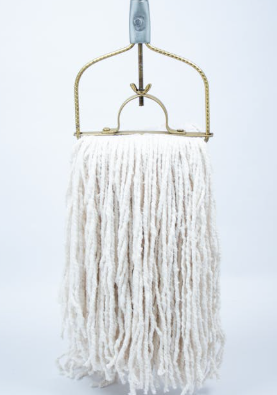
- A microfiber mop or cloth
- A clean towel (optional)
Basic Mixture
A common household mixture is:
- 1 gallon of warm water
- About ½ cup of white vinegar
The amount can be adjusted depending on the floor surface and cleaning needs.
Step-by-Step Cleaning Method
Step 1: Remove Loose Dirt First
Before mopping, sweep or vacuum the floor.
Removing:
- Dust
- Sand
- Hair
- Small debris
helps prevent scratches and allows the cleaning solution to work more effectively.
Step 2: Prepare the Cleaning Solution
Mix warm water and white vinegar in a bucket.
Avoid using too much vinegar, as strong acidic solutions may not be suitable for every flooring material.
Step 3: Mop the Floor
Dip the mop into the solution and wring it out well.
The mop should be damp—not soaking wet.
Excess water can damage certain types of flooring.
Step 4: Focus on High-Traffic Areas
Pay extra attention to areas that receive the most use, such as:
- Entryways
- Kitchen floors
- Hallways
- Around dining areas
These spots often collect the most buildup.
Step 5: Allow the Floor to Dry
Let the floor air dry completely.
For an extra polished appearance, some people like to gently buff the surface afterward with a clean microfiber cloth.
The Results I Noticed
After trying this cleaning method, the biggest difference was the overall appearance of the floor.
The surface looked:
- Cleaner
- Fresher
- Less dull
- More refreshed
The room also felt brighter because clean floors can make a surprising difference in how a space looks.
One of the best parts was that the process did not require purchasing another specialty cleaning product.
Why Simple Cleaning Methods Can Work
Many commercial cleaning products contain multiple ingredients designed for specific purposes. However, sometimes everyday household cleaning problems can be addressed with simpler approaches.
A good cleaning routine often depends on:
- Removing dirt regularly
- Using appropriate tools
- Avoiding excessive product buildup
- Cleaning consistently
The technique and frequency of cleaning can matter just as much as the product used.
Important: Check Your Floor Type First
Although vinegar-based cleaning is popular, it is not suitable for every flooring material.
Avoid using vinegar solutions on surfaces that may be damaged by acids, such as some:
- Natural stone floors
- Marble surfaces
- Certain specialty finishes
Always check the care instructions for your specific flooring before trying any homemade cleaner.
When unsure, test a small hidden area first.
Other Natural Floor Cleaning Tips
Use Microfiber Cloths
Microfiber materials are excellent for trapping:
- Dust
- Dirt particles
- Small debris
They are also gentle on many surfaces.
Avoid Too Much Water
Excess moisture can cause problems with certain floors.
A damp mop is usually better than a soaking wet one.
Clean Spills Quickly
Removing spills soon after they happen can help prevent:
- Stains
- Sticky residue
- Long-term buildup
Place Mats Near Entrances
Door mats help reduce the amount of dirt brought inside.
This simple step can significantly reduce cleaning frequency.
Common Floor Cleaning Mistakes
Using Too Much Cleaner
More product does not always mean cleaner floors.
Excess cleaner can leave behind residue.
Ignoring the Mop Condition
A dirty mop can spread grime instead of removing it.
Wash microfiber mop heads regularly.
Skipping Regular Maintenance
Small daily habits often prevent bigger cleaning jobs later.
When a Deeper Cleaning May Be Needed
A simple mop may not be enough for floors with:
- Heavy stains
- Deep grime
- Scratches
- Old buildup
- Damaged finishes
In those situations, specialized cleaning methods or professional advice may be necessary.
Frequently Asked Questions
Can vinegar clean all types of floors?
No. Vinegar is not appropriate for every surface. Always check your flooring manufacturer’s recommendations first.
How often should floors be cleaned?
The ideal frequency depends on household activity, pets, children, and the type of flooring.
Can I add essential oils to homemade floor cleaners?
Some people add essential oils for fragrance, but always consider whether the ingredients are safe for your specific floor type.
Why do my floors look cloudy after cleaning?
Cloudiness can result from product buildup, using too much cleaner, or not rinsing properly.
Final Thoughts
Sometimes the simplest household solutions can deliver surprisingly good results. This easy floor cleaning trick showed that refreshing your floors does not always require expensive products or complicated methods.
The key is using the right approach for your specific flooring, cleaning regularly, and avoiding techniques that may cause damage.
A cleaner floor can instantly improve the appearance and comfort of your home. With a little effort and the right routine, maintaining fresh-looking floors can become a much easier part of your cleaning schedule.