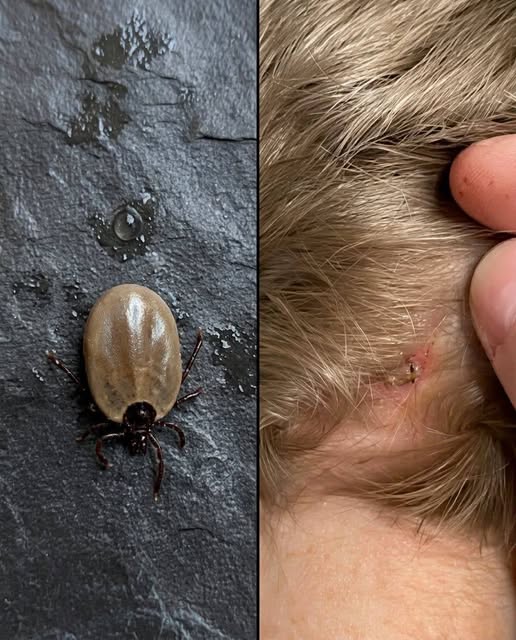
What Kind of Insect Is This? Found on My Son’s Head
Finding an insect in your child’s hair can be alarming for any parent. Your first reaction is usually concern, confusion, and a flood of questions. Is it dangerous? Could it spread disease? Is it a sign of poor hygiene? Most importantly, how do you get rid of it safely?
The good news is that many insects commonly found on a child’s head are harmless or treatable with simple home care. However, correctly identifying the insect is important because different bugs require different solutions.
Why Insects Are Sometimes Found in Human Hair
Children spend a lot of time outdoors, in schools, playgrounds, parks, and around pets. Because of this, insects can occasionally end up on the scalp or in hair accidentally.
Some insects are attracted to:
- Warm environments
- Human skin oils
- Sweat
- Hair texture
- Blood (in certain cases)
Other insects simply crawl onto the head temporarily without causing harm.
Common Insects Found on a Child’s Head
Below are the most common bugs parents discover in children’s hair.
1. Head Lice
What Are Head Lice?
Head lice are tiny parasitic insects that live on the scalp and feed on small amounts of human blood. They are one of the most common causes of insects found in children’s hair.
Appearance
- Small and wingless
- About the size of a sesame seed
- Gray, tan, or brown color
- Move quickly through hair
Their eggs, called nits, are tiny white or yellow oval shapes attached to hair strands.
Symptoms of Head Lice
Children with head lice may experience:
- Itchy scalp
- Tickling sensation in hair
- Red bumps on the scalp or neck
- Trouble sleeping
- Visible lice or nits
How Head Lice Spread
Lice spread primarily through direct head-to-head contact. This commonly happens in:
- Schools
- Daycare centers
- Sports activities
- Sleepovers
They can also spread through shared items like:
- Hats
- Hairbrushes
- Pillows
- Towels
Treatment for Head Lice
Treatment options include:
Over-the-Counter Shampoos
Many medicated shampoos kill lice effectively.
Fine-Tooth Lice Comb
Combing helps remove lice eggs from hair strands.
Prescription Treatments
In severe cases, doctors may recommend stronger medications.
Prevention Tips
- Avoid sharing hair accessories
- Check children’s hair regularly
- Wash bedding and hats in hot water
- Teach kids to avoid head-to-head contact
2. Fleas
Can Fleas Live in Human Hair?
Fleas prefer animals like cats and dogs, but they can occasionally jump onto humans temporarily.
If your child has been near pets or grassy areas, a flea may end up in the hair briefly.
Appearance
- Tiny dark brown insects
- Excellent jumpers
- Fast-moving
- Flat bodies
Signs of Fleas
- Small itchy bites
- Red bumps around neck or scalp
- Pets scratching excessively
How to Remove Fleas from Hair
- Wash hair thoroughly with shampoo
- Use a fine comb
- Check pets for flea infestations
- Vacuum carpets and furniture
Fleas usually do not stay long in human hair because humans are not their preferred host.
3. Ticks
What Are Ticks?
Ticks are small arachnids that attach themselves to skin and feed on blood.
They are often found after:
- Hiking
- Camping
- Playing in tall grass
- Outdoor sports
Appearance
- Round or oval-shaped
- Brown or black
- Attached firmly to skin
- Swollen after feeding
Why Ticks Are Serious
Ticks can sometimes transmit illnesses, making prompt removal important.
Safe Tick Removal
Use fine tweezers:
- Grasp the tick close to the skin
- Pull upward slowly
- Avoid twisting
- Clean the area afterward
Do not crush the tick with fingers.
When to See a Doctor
Seek medical advice if your child develops:
- Fever
- Rash
- Fatigue
- Joint pain
after a tick bite.
4. Ants
Why Would an Ant Be in Hair?
Ants occasionally crawl into hair accidentally while children are playing outdoors.
Usually, this is harmless and temporary.
Symptoms
- Mild scalp irritation
- Crawling sensation
- Occasional small bites
Treatment
Simply wash the hair and inspect the scalp. Ants generally do not infest human hair.
5. Bed Bugs
Can Bed Bugs Get Into Hair?
Bed bugs do not typically live in hair like lice, but they may crawl onto the scalp while feeding during sleep.
Signs of Bed Bugs
- Itchy red bites
- Bite clusters
- Blood spots on bedding
- Nighttime itching
Treatment
- Wash bedding thoroughly
- Vacuum mattresses
- Inspect sleeping areas
- Contact pest control if needed
6. Mites
What Are Mites?
Mites are microscopic creatures that can irritate the scalp.
Certain types may cause skin conditions or allergic reactions.
Symptoms
- Intense itching
- Scalp irritation
- Redness
- Dry patches
Treatment
A doctor may recommend:
- Medicated creams
- Prescription shampoos
- Allergy treatments
How to Identify the Insect Correctly
Before panicking, carefully inspect the bug.
Here’s what to look for:
| Feature | Possible Insect |
|---|---|
| Tiny white eggs attached to hair | Lice |
| Jumping insect | Flea |
| Attached to skin | Tick |
| Crawling quickly | Ant |
| Tiny bite clusters | Bed bugs |
If possible:
- Take a photo
- Place the insect in a sealed container
- Consult a pediatrician or dermatologist
What Parents Should Do Immediately
If you discover an insect in your child’s hair:
Stay Calm
Most insects are treatable and not dangerous.
Wash the Hair
Use warm water and shampoo thoroughly.
Inspect the Scalp
Look for:
- Additional insects
- Eggs
- Redness
- Bites
Clean Bedding and Clothing
Wash recently used fabrics in hot water.
Check Family Members
Some insects, especially lice, spread easily.
When Is It an Emergency?
Seek immediate medical help if your child experiences:
- Difficulty breathing
- Severe swelling
- Fever after a tick bite
- Allergic reaction
- Signs of infection
- Persistent rash
These symptoms may indicate a more serious issue.
Are Head Insects Related to Hygiene?
One of the biggest misconceptions is that insects in hair mean poor hygiene.
This is not true.
For example:
- Head lice prefer clean hair just as much as dirty hair.
- Children commonly spread lice through close contact, not cleanliness.
Parents should avoid shame or embarrassment and focus on treatment instead.
Natural Remedies Parents Often Try
Some parents prefer natural approaches.
Tea Tree Oil
Often used in shampoos for scalp cleansing.
Coconut Oil
May help loosen lice and soothe itching.
Vinegar Rinse
Sometimes used to help remove nits.
Olive Oil
Can help smother lice temporarily.
However, natural remedies are not always scientifically proven to eliminate infestations completely.
How Schools Handle Head Lice
Many schools have policies regarding lice outbreaks.
Common measures include:
- Parent notifications
- Hair checks
- Temporary exclusion policies
- Recommendations for treatment
Parents should follow school guidelines carefully.
Best Practices for Preventing Insects in Hair
Teach Children Hair Safety
Encourage children not to share:
- Hats
- Brushes
- Hair clips
- Helmets
Perform Regular Hair Checks
Inspect the scalp weekly, especially during school outbreaks.
Keep Pets Treated
Flea prevention on pets reduces accidental exposure.
Wash Bedding Frequently
Hot water helps eliminate insects and eggs.
Common Myths About Hair Insects
Myth 1: Only Dirty Children Get Lice
False. Lice affect children of all hygiene levels.
Myth 2: Pets Spread Head Lice
False. Human lice do not live on pets.
Myth 3: Shaving the Head Is Necessary
Usually false. Most infestations can be treated without shaving hair.
Myth 4: Lice Jump or Fly
False. Lice crawl but cannot jump or fly.
Emotional Impact on Parents and Children
Discovering insects in your child’s hair can feel stressful and embarrassing. However, it’s extremely common.
Children may feel:
- Ashamed
- Anxious
- Uncomfortable
Parents should remain supportive and reassuring throughout treatment.
How Long Does Treatment Usually Take?
Treatment duration depends on the insect type.
| Insect | Typical Treatment Time |
|---|---|
| Lice | 1–2 weeks |
| Fleas | Few days |
| Ticks | Immediate removal |
| Bed bugs | Several weeks |
| Ants | Usually immediate |
Consistency is key for successful treatment.
Can Adults Catch Hair Insects Too?
Yes. Adults living in the same household may also become exposed, especially with lice or bed bugs.
Family-wide inspections are often recommended.
Tips for Cleaning the Home
To prevent reinfestation:
- Vacuum carpets and furniture
- Wash bedding in hot water
- Seal stuffed toys in bags temporarily
- Disinfect brushes and combs
These steps are especially important during lice or flea treatment.
Should You Use Chemical Sprays?
Use caution with strong insecticides around children.
Always:
- Follow label instructions
- Avoid direct skin contact
- Keep rooms ventilated
For persistent infestations, professional pest control may be safer and more effective.
Final Thoughts
Finding an insect on your son’s head can be unsettling, but in most cases, the problem is manageable with quick action and proper identification.
Head lice are the most common culprit, but fleas, ticks, ants, bed bugs, and mites may occasionally appear as well. The key is staying calm, checking carefully, treating appropriately, and monitoring symptoms.
Most importantly, remember that insects in hair are common among children and are not a sign of poor parenting or bad hygiene. With the right approach, your child can return to normal activities quickly and comfortably.
If symptoms worsen or you’re unsure about the insect type, consult a healthcare professional for accurate diagnosis and treatment guidance.