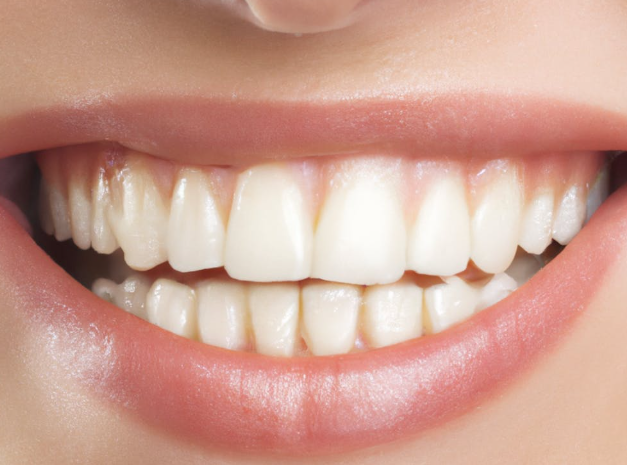
Understanding Plaque Buildup and Ways to Improve Oral Hygiene
Introduction: Why Oral Hygiene Matters
A healthy smile is more than just having clean-looking teeth. Good oral hygiene plays an important role in protecting your teeth, gums, and overall well-being. One of the most common challenges affecting oral health is plaque buildup.
Plaque is a sticky, nearly invisible layer of bacteria that constantly forms on teeth. When it is not removed regularly, it can contribute to problems such as tooth decay, gum irritation, bad breath, and more serious dental issues.
The good news is that plaque buildup can often be managed with consistent daily habits, proper brushing techniques, regular dental visits, and smart lifestyle choices.
This guide explains what plaque is, why it develops, how it affects your mouth, and the best ways to improve oral hygiene for a healthier smile.
What Is Dental Plaque?
Dental plaque is a soft, sticky film that forms on the surface of teeth and along the gumline. It develops when bacteria in the mouth combine with food particles and saliva.
Everyone develops plaque throughout the day. It is a natural process, but problems occur when plaque remains on teeth for too long.
If plaque is not removed through regular brushing and cleaning, it can harden into tartar (calculus), which is much more difficult to remove and usually requires professional dental cleaning.
What Causes Plaque Buildup?
Plaque forms because bacteria naturally live in the mouth. Certain habits and conditions can encourage more plaque accumulation.
1. Poor Brushing Habits
Not brushing regularly or missing areas of the mouth allows plaque to build up.
Common mistakes include:
- Brushing too quickly
- Skipping nighttime brushing
- Not cleaning along the gumline
- Using incorrect brushing techniques
2. Sugary and Starchy Foods
Bacteria in plaque feed on sugars and starches from foods and drinks.
Frequent consumption of:
- Candy
- Soft drinks
- Sweetened beverages
- Baked goods
- Processed snacks
can increase plaque formation.
3. Inadequate Flossing
A toothbrush cannot reach every area between teeth. Plaque can easily collect in these spaces if flossing or another cleaning method is not used.
4. Dry Mouth
Saliva helps naturally clean the mouth and control bacteria. Reduced saliva production can increase plaque buildup.
Dry mouth may occur due to:
- Certain medications
- Aging
- Medical conditions
- Dehydration
5. Smoking and Tobacco Use
Tobacco products can contribute to plaque buildup, gum problems, tooth staining, and other oral health concerns.
Signs You May Have Plaque Buildup
Plaque is often difficult to see, but certain signs may indicate excessive buildup.
Common Symptoms Include:
- A fuzzy or sticky feeling on teeth
- Bad breath
- Yellowish buildup near the gumline
- Red or swollen gums
- Bleeding during brushing or flossing
- Tooth sensitivity
If plaque hardens into tartar, it may appear as rough, yellow, or brown deposits on teeth.
How Plaque Buildup Affects Oral Health
Ignoring plaque can lead to several dental problems.
1. Tooth Decay
Plaque bacteria produce acids when they break down sugars. These acids can weaken tooth enamel and eventually cause cavities.
2. Gum Disease
Plaque along the gumline can irritate gum tissue.
Early gum disease may cause:
- Red gums
- Swelling
- Bleeding
If untreated, it may progress to more serious gum problems.
3. Bad Breath
Bacteria in plaque can produce unpleasant odors, contributing to persistent bad breath.
4. Tooth Loss
Advanced gum disease can damage the tissues and bones that support teeth, increasing the risk of tooth loss.
Plaque vs. Tartar: What Is the Difference?
Many people confuse plaque and tartar, but they are different.
Plaque
- Soft and sticky
- Forms daily
- Can usually be removed through brushing and flossing
Tartar
- Hardened plaque
- Strongly attached to teeth
- Requires professional dental cleaning
Preventing plaque buildup is the best way to reduce tartar formation.
Best Ways to Remove and Prevent Plaque
1. Brush Your Teeth Twice Daily
Regular brushing is one of the most effective ways to control plaque.
Tips for better brushing:
- Brush for about two minutes
- Use gentle circular motions
- Clean the outer, inner, and chewing surfaces
- Brush near the gumline
- Avoid brushing too aggressively
A soft-bristled toothbrush is generally recommended because harsh brushing can damage gums.
2. Floss Every Day
Flossing removes plaque and food particles from areas a toothbrush cannot reach.
Benefits include:
- Cleaner spaces between teeth
- Healthier gums
- Reduced risk of cavities
If traditional floss is difficult to use, alternatives may include:
- Interdental brushes
- Water flossers
- Dental picks
3. Use Fluoride Toothpaste
Fluoride helps strengthen tooth enamel and protect against cavities.
When choosing toothpaste, look for products containing fluoride unless advised otherwise by a dental professional.
4. Consider Using Mouthwash
An antimicrobial or fluoride mouthwash may help support oral hygiene when used as part of a complete routine.
Mouthwash should not replace brushing and flossing but can provide additional support.
5. Maintain Regular Dental Checkups
Professional dental visits help detect problems early and remove tartar that cannot be removed at home.
Dental professionals can also provide:
- Professional cleaning
- Gum evaluations
- Personalized oral care advice
Foods That Support Better Oral Health
Your diet affects your teeth and gums.
Foods That May Benefit Oral Health:
Crunchy Fruits and Vegetables
Examples:
- Apples
- Carrots
- Celery
These foods can stimulate saliva production.
Dairy Products
Milk, cheese, and yogurt contain nutrients that support tooth strength.
Protein-Rich Foods
Foods such as eggs, fish, beans, and lean meats provide nutrients needed for overall health.
Water
Water helps wash away food particles and supports saliva production.
Foods and Drinks That Can Increase Plaque Risk
Reducing certain habits can help control plaque.
Limit frequent intake of:
- Sugary drinks
- Sticky candies
- Sweet snacks
- Frequent acidic beverages
The frequency of sugar exposure often matters as much as the amount consumed.
Oral Hygiene Tips for Different Age Groups
Children
Children need help developing good brushing habits.
Helpful practices:
- Supervise brushing
- Teach proper technique
- Encourage regular dental visits
Adults
Adults should focus on:
- Daily brushing and flossing
- Managing gum health
- Regular professional cleanings
Older Adults
Older adults may need extra attention because of:
- Dry mouth
- Medication effects
- Gum changes
- Dental restorations
Using moisturizing oral products and maintaining regular dental care can be helpful.
How to Improve Your Brushing Technique
Many people brush daily but do not remove plaque effectively.
Try these steps:
- Hold your toothbrush at a slight angle toward the gumline.
- Use small, gentle movements.
- Clean each section of your mouth.
- Brush the tongue to remove bacteria.
- Replace your toothbrush regularly or when bristles become worn.
Avoid pressing too hard because aggressive brushing may irritate gums.
The Role of Saliva in Preventing Plaque
Saliva is an important natural defense system in the mouth.
It helps:
- Wash away food particles
- Neutralize acids
- Protect tooth surfaces
To support saliva production:
- Drink enough water
- Chew sugar-free gum when appropriate
- Avoid excessive tobacco and alcohol use
Common Oral Hygiene Mistakes to Avoid
Brushing Immediately After Acidic Foods
Acidic foods and drinks can temporarily soften enamel. Waiting a short time before brushing may help protect teeth.
Using an Old Toothbrush
Worn bristles are less effective at cleaning plaque.
Ignoring Bleeding Gums
Bleeding gums may indicate irritation or gum disease and should not be ignored.
Skipping Dental Visits
Home care is important, but professional cleaning and examinations remain essential.
Using Teeth as Tools
Opening packages or biting hard objects can damage teeth.
When to See a Dentist
Schedule a dental appointment if you experience:
- Persistent tooth pain
- Bleeding gums
- Loose teeth
- Swelling
- Ongoing bad breath
- Tooth sensitivity
- Visible tartar buildup
Early dental care can prevent minor problems from becoming more serious.
Frequently Asked Questions About Plaque Buildup
Can plaque go away on its own?
No. Plaque must be physically removed through brushing, flossing, and professional cleaning when needed.
How quickly does plaque form?
Plaque begins forming soon after cleaning your teeth and continues building throughout the day.
Can mouthwash remove plaque?
Mouthwash may help reduce bacteria, but it does not replace brushing and flossing.
Is tartar the same as plaque?
No. Tartar is hardened plaque that usually requires professional removal.
How often should I get my teeth cleaned?
Many people benefit from regular dental visits, but the ideal schedule depends on individual oral health needs.
Final Thoughts: Building Better Oral Hygiene Habits
Plaque buildup is common, but it does not have to damage your smile. A consistent oral hygiene routine can significantly reduce plaque and support healthier teeth and gums.
The most effective habits are simple:
- Brush twice daily
- Floss regularly
- Eat a balanced diet
- Drink enough water
- Limit frequent sugar exposure
- Visit your dentist regularly
Taking care of your mouth is an investment in your overall health. With daily attention and preventive care, you can maintain a cleaner, healthier smile for years to come.