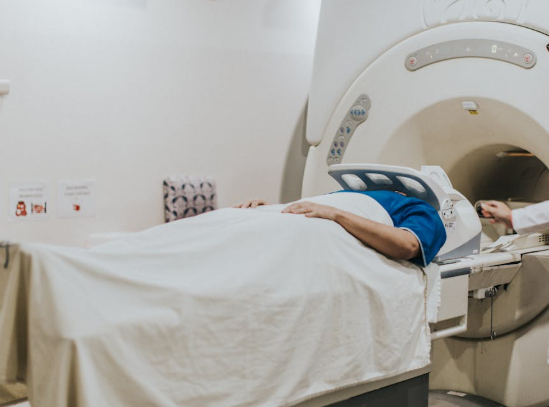
How Colonoscopy Procedures Are Becoming Less Invasive and Easier (Modern Advances Explained)
Colonoscopy has long been one of the most important medical procedures for preventing colorectal cancer and diagnosing digestive diseases. Despite its life-saving benefits, many people have historically delayed or avoided it due to fear, discomfort, and concerns about how invasive the procedure feels.
However, in recent years, colonoscopy procedures have undergone major improvements. Advances in technology, sedation, preparation methods, and patient care have made the process significantly less invasive, more comfortable, and easier to tolerate.
Today, colonoscopy is not only more effective than ever—it is also much more patient-friendly. Understanding these improvements can help reduce anxiety and encourage more people to undergo this essential screening.
Why Colonoscopy Is So Important
A colonoscopy allows doctors to examine the inside of the large intestine (colon and rectum) using a thin, flexible tube with a camera at its tip. This procedure plays a critical role in both diagnosis and prevention.
It is used to:
- Detect colorectal cancer at an early stage
- Remove precancerous polyps before they turn into cancer
- Investigate symptoms such as bleeding, pain, or bowel changes
- Diagnose conditions like inflammatory bowel disease (IBD)
- Monitor long-term digestive health
One of the most important benefits of colonoscopy is prevention. Many colon cancers begin as small polyps that can be removed during the procedure—before they become dangerous.
Why Colonoscopy Used to Feel Uncomfortable
Although colonoscopy is highly effective, it has traditionally been associated with discomfort and anxiety. Common concerns included:
- Fear of pain during the procedure
- Discomfort from gas used to inflate the colon
- Anxiety about sedation or “going to sleep”
- Bowel preparation being unpleasant
- Embarrassment or privacy concerns
- Worry about complications
These concerns often caused people to delay screening, even when it was medically recommended.
Fortunately, modern medicine has focused heavily on making the entire experience easier and more comfortable.
1. Ultra-Thin and More Flexible Colonoscopes
One of the most important advancements is the improvement in the design of colonoscopy equipment itself.
Modern colonoscopes are:
- Thinner in diameter
- More flexible and maneuverable
- Equipped with high-definition cameras
- Designed to reduce pressure on the colon walls
Why This Matters
These improvements help reduce discomfort during insertion and navigation through the colon. The flexibility of newer scopes allows doctors to move more smoothly through the natural curves of the intestine.
In many cases, this leads to:
- Less physical discomfort
- Faster procedures
- Better visualization of the colon lining
- Improved patient tolerance
These changes alone have significantly improved the overall experience.
2. Advanced Sedation Techniques (“Sleep Colonoscopy”)
Sedation is one of the biggest reasons colonoscopy is now considered much easier than in the past.
Modern Sedation Options
Today, patients may receive:
- Light sedation (relaxation and reduced anxiety)
- Deep sedation (often referred to as “sleep colonoscopy”)
- Short-acting anesthetic medications
Many patients are completely asleep or deeply relaxed during the procedure.
Benefits of Modern Sedation
- Little to no pain during the procedure
- Reduced anxiety before and during the exam
- No memory of the procedure for many patients
- Faster recovery afterward due to short-acting drugs
This advancement has transformed colonoscopy from a stressful experience into a more manageable and often uneventful one.
3. Carbon Dioxide Instead of Air
During colonoscopy, the colon must be gently expanded so the doctor can see clearly. Traditionally, air was used for this purpose.
However, modern procedures often use carbon dioxide (CO₂) instead.
Why CO₂ Is Better
CO₂ has several advantages:
- It is absorbed quickly by the body
- It reduces post-procedure bloating
- It causes less cramping after the exam
- It improves overall comfort during recovery
Many patients report feeling much less “gassy” or uncomfortable after their procedure compared to older techniques.
4. Water-Assisted Colonoscopy Techniques
Another important innovation is the use of water instead of air during parts of the procedure.
How It Works
Instead of immediately inflating the colon with air:
- Small amounts of water are introduced
- The scope moves more gently through the colon
- The colon is less stretched during insertion
Benefits for Patients
This technique can lead to:
- Less discomfort during insertion
- Reduced need for deeper sedation in some cases
- Improved tolerance for sensitive patients
- Smoother navigation through the colon
Water-assisted colonoscopy is especially helpful for individuals who are anxious or have experienced discomfort in the past.
5. Improved Bowel Preparation Methods
Bowel preparation is often considered the least pleasant part of colonoscopy. It involves cleaning out the colon so the doctor can see clearly.
Fortunately, preparation methods have improved significantly.
Modern Improvements Include:
- Lower-volume prep solutions (less liquid to drink)
- Split-dose regimens (half the dose taken the night before and half the morning of the procedure)
- Better-tasting formulas
- Clearer instructions and patient guidance
Why This Is Important
Better preparation:
- Improves colon visibility
- Shortens procedure time
- Reduces the need to repeat the exam
- Makes the process more tolerable overall
A clean colon also leads to more accurate results and better detection of abnormalities.
6. AI-Assisted Detection Technology
Artificial intelligence (AI) is increasingly being used in colonoscopy procedures.
What AI Does
AI systems can:
- Detect small or flat polyps in real time
- Highlight suspicious areas for the doctor
- Reduce the chance of missed abnormalities
- Improve diagnostic accuracy
Benefits for Patients
- Higher detection rates
- More thorough examinations
- Improved long-term outcomes
- Greater confidence in results
AI acts as an extra layer of support for the physician, helping ensure nothing important is overlooked.
7. Faster and More Efficient Procedures
Modern colonoscopies are typically faster and more streamlined than before.
Average Duration
Most procedures now take around:
- 20 to 45 minutes
Why They Are Faster
- Better equipment
- Improved visualization
- More efficient techniques
- Experienced clinical protocols
Shorter procedure times mean less time under sedation and quicker recovery.
8. Better Recovery Experience
Recovery after colonoscopy has also improved significantly.
What Patients Experience Today
- Faster waking from sedation
- Less bloating or discomfort
- Minimal post-procedure pain
- Quick return to normal activities
Most patients can go home the same day and resume light activities within hours.
9. Enhanced Patient Comfort and Care
Healthcare providers now place a stronger emphasis on patient-centered care.
Improvements Include:
- Private procedure rooms
- Calming, supportive environments
- Clear communication before and after the procedure
- Personalized sedation plans based on patient needs
- Better privacy and dignity during care
These changes help reduce anxiety and create a more positive overall experience.
What a Modern Colonoscopy Feels Like
Many people who undergo colonoscopy today are surprised by how easy it feels compared to expectations.
Common experiences include:
- Falling asleep before or shortly after the procedure begins
- Waking up with little or no memory of it
- Mild or no discomfort afterward
- Feeling relieved that the process was easier than expected
In many cases, anxiety beforehand is the most difficult part—not the procedure itself.
Why These Improvements Matter for Public Health
Colorectal cancer is one of the most preventable cancers when detected early. Colonoscopy plays a key role in reducing risk because it allows doctors to remove precancerous growths before they develop into cancer.
By making the procedure:
- Less invasive
- More comfortable
- Faster and safer
more people are likely to participate in screening programs.
This leads to:
- Earlier detection of disease
- Lower cancer rates
- Better long-term survival outcomes
Who Should Get a Colonoscopy?
Medical guidelines generally recommend colonoscopy for:
- Adults aged 45 and older
- Individuals with a family history of colon cancer
- People with persistent digestive symptoms
- Patients with inflammatory bowel disease
- Those with abnormal stool test results
Your healthcare provider may recommend earlier screening depending on your personal risk factors.
Common Myths About Colonoscopy
Myth 1: Colonoscopy Is Very Painful
Modern sedation and improved techniques mean most patients feel little to no discomfort.
Myth 2: The Preparation Is Unbearable
Although prep is still required, modern solutions are easier and better tolerated.
Myth 3: It Is Only Needed When You Have Symptoms
Colonoscopy is primarily a preventive screening tool, often performed before symptoms appear.
Final Thoughts
Colonoscopy procedures have changed dramatically over the past decade. What was once considered uncomfortable and invasive is now far more patient-friendly thanks to advances in technology, sedation methods, bowel preparation, AI-assisted detection, and improved medical techniques.
Ultra-thin flexible scopes, carbon dioxide inflation, water-assisted methods, and better sedation options have all contributed to a smoother and more comfortable experience. In addition, faster procedures and improved recovery protocols make the entire process easier for patients.