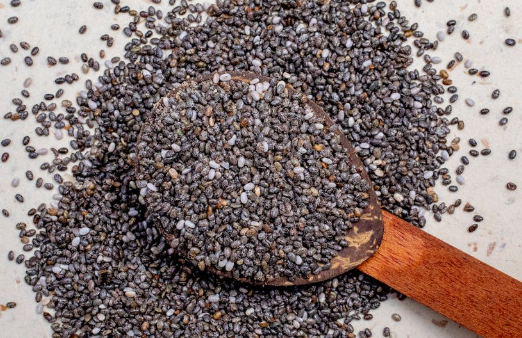
Could One Spoonful a Day Support Heart and Metabolic Health?
Many natural foods have earned a reputation for supporting overall wellness, and it’s not uncommon to hear claims that a single spoonful of a particular ingredient each day can promote better heart health, metabolism, or general vitality. While such statements can sound appealing, the reality is often more nuanced.
No single food or supplement can guarantee improved health on its own. However, some nutrient-rich foods may contribute to heart and metabolic wellness when included as part of a balanced lifestyle. Let’s explore what the science says, which foods are often discussed in this context, and how they may fit into a healthy routine.
Understanding Heart and Metabolic Health
Before examining specific foods, it’s helpful to understand these two important aspects of health.
Heart Health
Heart health refers to the condition of the cardiovascular system, including:
- The heart
- Blood vessels
- Circulation
Factors that support cardiovascular health include:
- Healthy blood pressure
- Balanced cholesterol levels
- Regular physical activity
- Nutritious eating habits
Metabolic Health
Metabolism involves the processes that help the body:
- Convert food into energy
- Regulate blood sugar
- Manage energy storage
- Support cellular function
Good metabolic health is influenced by nutrition, exercise, sleep, genetics, and overall lifestyle habits.
Foods Often Associated with Heart and Metabolic Wellness
Several foods are commonly promoted as beneficial when consumed in moderation.
Extra Virgin Olive Oil
One of the most researched examples is extra virgin olive oil.


Why It’s Popular
Extra virgin olive oil contains:
- Monounsaturated fats
- Plant compounds called polyphenols
- Vitamin E
These components have been studied for their potential role in supporting cardiovascular health as part of an overall healthy diet.
How Much Is Commonly Used?
Many people incorporate one tablespoon daily into meals such as:
- Salads
- Vegetables
- Whole grains
However, olive oil is not a cure or treatment for heart disease.
Ground Flaxseed
Flaxseed is another food frequently discussed in wellness circles.
Nutrients Found in Flaxseed
Flaxseed contains:
- Fiber
- Plant-based omega-3 fatty acids
- Lignans
Potential Benefits
The fiber content may support digestive health, while omega-3 fats contribute to overall nutrition.
Ground flaxseed can be added to:
- Oatmeal
- Yogurt
- Smoothies
Chia Seeds
Chia seeds are rich in nutrients despite their small size.
Key Components
They provide:
- Fiber
- Protein
- Healthy fats
- Minerals
Easy Ways to Use Them
A spoonful can be added to:
- Smoothies
- Yogurt
- Overnight oats
Because they absorb liquid, chia seeds may also help create a feeling of fullness.
Nut Butters
Natural nut butters, such as almond or peanut butter, are another popular option.
Nutritional Highlights
They contain:
- Healthy fats
- Protein
- Various vitamins and minerals
When choosing nut butter, look for varieties with minimal added sugar and salt.
The Importance of Healthy Fats
Many foods associated with heart health contain unsaturated fats.
These fats are generally found in:
- Olive oil
- Nuts
- Seeds
- Avocados
Replacing some saturated fats with unsaturated fats may support overall cardiovascular wellness when part of a balanced eating pattern.
What One Spoonful Cannot Do
It’s important to maintain realistic expectations.
A spoonful of any food will not:
- Instantly lower cholesterol
- Cure heart disease
- Eliminate diabetes risk
- Cause dramatic weight loss
- Replace medical treatment
Health outcomes are influenced by a combination of factors, including genetics, lifestyle, and long-term habits.
Lifestyle Habits That Matter Most
While nutritious foods can play a role, broader lifestyle choices often have a much greater impact.
Eat a Balanced Diet
Focus on:
- Fruits
- Vegetables
- Whole grains
- Lean proteins
- Healthy fats
Stay Active
Regular exercise supports both heart and metabolic health.
Get Adequate Sleep
Sleep influences:
- Blood sugar regulation
- Appetite control
- Cardiovascular health
Manage Stress
Chronic stress may affect both metabolic and cardiovascular wellness.
Avoid Smoking
Tobacco use remains a major risk factor for heart disease.
Common Myths About “Miracle” Foods
Myth #1: One Food Can Transform Your Health
No single food provides all the nutrients your body needs.
Myth #2: Natural Means Risk-Free
Even healthy foods should be consumed appropriately and within the context of a balanced diet.
Myth #3: More Is Always Better
Excessive consumption of any food may add unnecessary calories and potentially affect nutritional balance.
A Simple Daily Wellness Idea
If you’d like to include a spoonful of a nutrient-rich food in your routine, consider:
Option 1
One tablespoon of extra virgin olive oil drizzled over vegetables or salads.
Option 2
One tablespoon of ground flaxseed mixed into oatmeal or yogurt.
Option 3
One tablespoon of chia seeds added to a smoothie.
These simple additions can help increase nutrient intake while supporting a balanced dietary pattern.
When to Talk to Your Healthcare Provider
If you have:
- Heart disease
- Diabetes
- High cholesterol
- High blood pressure
consult your healthcare provider before making significant dietary changes.
Personalized advice is often more helpful than generalized wellness claims.
Final Thoughts
Could one spoonful a day support heart and metabolic health? Potentially—if that spoonful contains a nutrient-rich food such as extra virgin olive oil, flaxseed, chia seeds, or natural nut butter and is part of an overall healthy lifestyle.