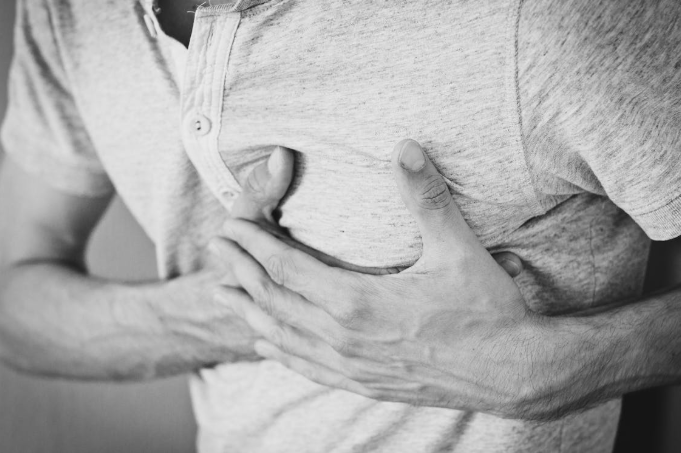
Early Stroke Symptoms: 10 Signs Your Body May Be Warning You About
A stroke is a serious medical emergency that occurs when blood flow to the brain is interrupted. Without oxygen and nutrients, brain cells begin to die within minutes. Every second matters during a stroke, which is why recognizing the early warning signs can save a life.
Unfortunately, many people ignore the initial symptoms of a stroke because they appear suddenly and may seem harmless at first. Understanding these early signs can help you seek immediate medical attention and reduce the risk of permanent brain damage, disability, or death.
In this article, we will discuss 10 early stroke symptoms, their causes, risk factors, prevention tips, and what to do if someone shows signs of a stroke.
What Is a Stroke?
A stroke happens when the blood supply to part of the brain is blocked or when a blood vessel in the brain bursts. There are three main types of strokes:
1. Ischemic Stroke
This is the most common type and occurs when a blood clot blocks blood flow to the brain.
2. Hemorrhagic Stroke
This occurs when a blood vessel in the brain ruptures and causes bleeding.
3. Transient Ischemic Attack (TIA)
Often called a “mini-stroke,” a TIA causes temporary symptoms but should never be ignored because it can be a warning sign of a future major stroke.
Why Recognizing Early Stroke Symptoms Matters
Quick treatment can dramatically improve recovery and reduce long-term complications. Doctors often say:
“Time lost is brain lost.”
The earlier a stroke is treated, the better the chances of survival and recovery.
10 Early Stroke Symptoms You Should Never Ignore
1. Sudden Numbness or Weakness
One of the most common stroke symptoms is sudden weakness or numbness in the face, arm, or leg—especially on one side of the body.
A person may:
- Be unable to raise one arm
- Feel tingling sensations
- Experience facial drooping
- Have difficulty walking
This symptom occurs because the brain can no longer properly control affected muscles.
2. Difficulty Speaking or Understanding Speech
A stroke can suddenly affect communication skills.
Warning signs include:
- Slurred speech
- Trouble forming words
- Confusion during conversation
- Difficulty understanding simple sentences
If someone suddenly struggles to speak clearly, seek emergency medical help immediately.
3. Sudden Vision Problems
A stroke may affect eyesight in one or both eyes.
Possible symptoms include:
- Blurred vision
- Double vision
- Sudden loss of vision
- Difficulty seeing clearly
Vision problems caused by stroke usually appear suddenly rather than gradually.
4. Severe Headache Without Known Cause
A sudden, intense headache can be a major warning sign, especially for hemorrhagic strokes.
This headache may:
- Feel extremely painful
- Appear without warning
- Be accompanied by nausea or vomiting
- Cause dizziness
Many people describe it as the “worst headache of their life.”
5. Trouble Walking or Loss of Balance
A stroke can affect coordination and balance.
You may notice:
- Dizziness
- Loss of balance
- Difficulty standing
- Sudden falls
- Lack of coordination
These symptoms can occur suddenly and worsen quickly.
6. Facial Drooping
Facial drooping is one of the easiest stroke symptoms to recognize.
Signs include:
- One side of the face appears uneven
- Difficulty smiling
- Drooping mouth or eyelid
Ask the person to smile. If one side of the face droops, it may indicate a stroke.
7. Sudden Confusion
A stroke may affect memory and thinking abilities.
A person may:
- Become disoriented
- Forget where they are
- Have trouble understanding conversations
- Appear mentally confused
Sudden confusion should never be ignored, especially in older adults.
8. Numbness in the Face or Limbs
Some people experience sudden tingling or numbness without weakness.
This commonly affects:
- Arms
- Legs
- Fingers
- Face
Numbness usually occurs on one side of the body.
9. Difficulty Swallowing
A stroke can affect muscles responsible for swallowing.
Symptoms may include:
- Choking while eating
- Trouble swallowing liquids
- Coughing during meals
- Feeling food stuck in the throat
This symptom increases the risk of aspiration and breathing problems.
10. Sudden Fatigue or Weakness
Although less recognized, unusual fatigue can appear before or during a stroke.
This may involve:
- Extreme tiredness
- Sudden exhaustion
- Lack of physical strength
Women, in particular, may experience unexplained fatigue as an early warning sign.
The FAST Method: A Simple Stroke Test
Medical experts recommend using the FAST method to recognize strokes quickly.
F — Face Drooping
Ask the person to smile. Does one side droop?
A — Arm Weakness
Ask them to raise both arms. Does one arm drift downward?
S — Speech Difficulty
Is speech slurred or strange?
T — Time to Call Emergency Services
If you notice any of these signs, call emergency services immediately.
Common Stroke Risk Factors
Several factors increase the risk of stroke.
High Blood Pressure
This is the leading cause of stroke.
Smoking
Smoking damages blood vessels and increases clot formation.
Diabetes
High blood sugar damages blood vessels over time.
Obesity
Excess body weight increases stroke risk significantly.
High Cholesterol
Cholesterol buildup can block arteries supplying blood to the brain.
Heart Disease
Irregular heart rhythms and heart conditions increase clot risks.
Excessive Alcohol Consumption
Heavy drinking may raise blood pressure and stroke risk.
Lack of Physical Activity
A sedentary lifestyle negatively affects circulation and heart health.
Can Young People Have Strokes?
Yes. Although strokes are more common in older adults, younger people can also experience them.
Possible causes include:
- High blood pressure
- Smoking
- Drug use
- Obesity
- Genetic conditions
- Birth control complications
Stroke awareness is important for people of all ages.
What To Do If Someone Shows Stroke Symptoms
If you suspect a stroke:
1. Call Emergency Services Immediately
Do not wait for symptoms to improve.
2. Note the Time Symptoms Started
Doctors need this information to decide treatment options.
3. Keep the Person Safe
Help them sit or lie down comfortably.
4. Do Not Give Food or Drink
Swallowing problems may cause choking.
5. Stay Calm
Quick action can save a life.
How Doctors Diagnose a Stroke
Doctors use several tests to confirm a stroke.
Brain Imaging
CT scans and MRIs help identify bleeding or blocked arteries.
Blood Tests
Blood tests check clotting and glucose levels.
Physical Examination
Doctors assess movement, speech, and neurological function.
Stroke Treatment Options
Treatment depends on the type of stroke.
Ischemic Stroke Treatment
Doctors may use clot-busting medications or surgical procedures to restore blood flow.
Hemorrhagic Stroke Treatment
Treatment focuses on controlling bleeding and reducing pressure in the brain.
How To Reduce Your Stroke Risk
Preventing stroke often involves healthy lifestyle choices.
Maintain Healthy Blood Pressure
Monitor blood pressure regularly.
Eat a Healthy Diet
Focus on fruits, vegetables, whole grains, and lean proteins.
Exercise Regularly
Physical activity improves heart and blood vessel health.
Quit Smoking
Stopping smoking significantly lowers stroke risk.
Control Diabetes and Cholesterol
Follow medical advice carefully.
Limit Alcohol
Drink in moderation.
Foods That May Help Support Brain and Heart Health
Certain foods may reduce stroke risk when included in a balanced diet.
Examples include:
- Leafy green vegetables
- Bananas
- Salmon
- Nuts
- Oats
- Berries
- Olive oil
A nutrient-rich diet supports healthy blood circulation and brain function.
Stroke Recovery and Rehabilitation
Recovery varies depending on the severity of the stroke.
Rehabilitation may include:
- Physical therapy
- Speech therapy
- Occupational therapy
- Emotional support
Many stroke survivors improve significantly with early treatment and rehabilitation.
Myths About Stroke
Myth 1: Stroke Only Happens to Elderly People
False. Young adults can also have strokes.
Myth 2: Stroke Symptoms Always Hurt
False. Some strokes occur without pain.
Myth 3: Symptoms Will Go Away
Even temporary symptoms require emergency care.
Final Thoughts
A stroke can happen suddenly and without warning, but the body often sends signals that should never be ignored. Recognizing early stroke symptoms such as facial drooping, arm weakness, speech difficulty, sudden confusion, severe headaches, or balance problems can make the difference between life and death.
Immediate medical attention is critical. The faster treatment begins, the greater the chance of recovery and reduced long-term damage.
By understanding the warning signs and maintaining a healthy lifestyle, you can protect yourself and your loved ones from one of the world’s leading medical emergencies.
If you or someone around you experiences any stroke symptoms, act quickly and seek emergency medical help immediately.