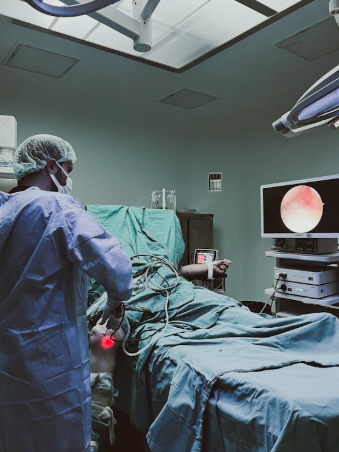
Could Colonoscopy Soon Become Easier? Here’s What Researchers Say
For many adults, the idea of getting a colonoscopy can feel uncomfortable, inconvenient, or even intimidating. While colonoscopies remain one of the most effective tools for detecting colorectal cancer and identifying digestive health issues early, many people delay or avoid screening because of concerns about preparation, discomfort, or embarrassment.
Now, researchers around the world are working on new technologies and medical innovations that could potentially make colonoscopy procedures easier, more comfortable, and more accessible in the future.
From less invasive screening tools to artificial intelligence-assisted detection systems and easier preparation methods, ongoing research is transforming how doctors approach colon health.
- Why colonoscopies are important
- Common reasons people avoid screening
- New advancements researchers are studying
- Potential future alternatives
- Easier preparation methods
- AI-assisted detection technology
- At-home screening developments
- What patients may expect in the years ahead
Why Colonoscopies Matter
A colonoscopy is a medical procedure used to examine the inside of the large intestine (colon and rectum).
Doctors use colonoscopies to:
- Detect colorectal cancer
- Find precancerous polyps
- Investigate digestive symptoms
- Diagnose intestinal conditions
- Monitor inflammatory bowel disease
Colorectal cancer is one of the most common cancers worldwide, but early detection dramatically improves treatment outcomes.
Why Many People Avoid Colonoscopies
Despite their importance, many adults postpone screenings.
Common concerns include:
- Fear of discomfort
- Anxiety about the procedure
- Preparation requirements
- Dietary restrictions
- Sedation concerns
- Embarrassment
- Time off work
For many patients, the preparation process is often considered the most unpleasant part.
What Happens During a Colonoscopy?
During a colonoscopy:
- The patient receives sedation or medication for comfort.
- A thin flexible tube with a camera is inserted into the colon.
- Doctors examine the intestinal lining for abnormalities.
- Polyps may be removed during the procedure.
Most procedures are completed within 30–60 minutes.
Why Early Detection Is So Important
Colonoscopies can detect abnormal growths before they become cancerous.
This makes screening especially valuable because:
- Polyps can often be removed early
- Cancer may be detected before symptoms appear
- Early treatment is usually more successful
Many experts consider colonoscopy one of the most effective cancer prevention tools available.
Researchers Are Exploring Easier Screening Methods
Medical researchers are now investigating ways to make colorectal screening:
- Less invasive
- More convenient
- More accurate
- Easier to tolerate
These developments could encourage more people to complete recommended screenings.
Easier Colonoscopy Preparation May Be Coming
Preparation usually involves:
- Drinking bowel-cleansing solutions
- Temporary dietary restrictions
- Frequent bathroom trips
Many patients say prep is harder than the actual procedure.
Researchers Are Improving Prep Solutions
Scientists are studying:
- Lower-volume prep drinks
- Better-tasting solutions
- Split-dose methods
- Gentler cleansing formulas
The goal is to make preparation less uncomfortable while still allowing doctors clear visibility during exams.
Artificial Intelligence Is Changing Colonoscopy Technology
One of the biggest recent advancements involves artificial intelligence (AI).
AI-assisted systems can help doctors:
- Detect small polyps more easily
- Improve screening accuracy
- Reduce missed abnormalities
How AI Detection Works
During the procedure, AI software analyzes live camera images in real time.
The system may:
- Highlight suspicious areas
- Alert physicians to possible polyps
- Improve visibility of subtle abnormalities
Researchers believe AI could improve early detection rates significantly.
Could Capsule Colonoscopy Become More Common?
One promising development is capsule endoscopy technology.
This involves swallowing a tiny camera capsule that captures images while traveling through the digestive tract.
Potential Benefits of Camera Capsules
Possible advantages include:
- Less invasive experience
- No long flexible scope
- More patient comfort
However, capsule technology still has limitations and may not fully replace traditional colonoscopy yet.
At-Home Screening Tests Are Expanding
Researchers are also improving stool-based screening tests.
These tests may help identify:
- Hidden blood
- DNA markers associated with cancer
- Certain abnormal cell changes
Popular Non-Invasive Screening Options
Some non-invasive screening methods already available include:
- Fecal immunochemical tests (FIT)
- Stool DNA tests
- At-home sample collection kits
These tests may increase screening participation among people hesitant about colonoscopy.
Important Limitation of At-Home Tests
While convenient, at-home tests do not completely replace colonoscopy in all cases.
If abnormalities are found, a traditional colonoscopy is often still needed for:
- Confirmation
- Polyp removal
- Further evaluation
Robotic Colonoscopy Research
Some researchers are exploring robotic or self-propelled colonoscopy devices.
Potential goals include:
- Reduced discomfort
- Improved maneuverability
- Less pressure inside the colon
Although promising, many of these technologies remain in development stages.
Water-Assisted Colonoscopy Techniques
Some clinics are experimenting with water-assisted procedures instead of air inflation methods.
Potential benefits may include:
- Reduced bloating
- Increased comfort
- Improved patient tolerance
Researchers continue evaluating long-term effectiveness.
Sedation Improvements May Help Patients Feel More Comfortable
Fear of discomfort often discourages screening.
Medical advancements in sedation techniques may improve:
- Recovery times
- Comfort levels
- Patient satisfaction
Some procedures already use lighter sedation methods for quicker recovery.
Virtual Colonoscopy: Another Emerging Option
Virtual colonoscopy uses specialized imaging scans to examine the colon.
This approach involves:
- CT scanning technology
- Computer-generated colon images
Potential benefits include:
- Less invasive procedure
- No insertion of a long scope throughout the entire colon
However, bowel prep is still typically required.
Why Researchers Want Easier Colon Cancer Screening
One major goal is increasing participation in preventive screening.
Many adults delay screening despite medical recommendations.
Researchers hope easier methods may:
- Reduce fear
- Improve convenience
- Increase early detection
- Lower cancer rates
Colon Cancer Rates Are Rising in Younger Adults
An important concern among researchers is the increase in colorectal cancer cases among younger adults in some regions.
Because of this trend:
- Screening recommendations have evolved in some countries
- Awareness campaigns are increasing
Early detection remains critical.
Lifestyle Factors Still Matter
Even with improved screening tools, healthy lifestyle habits remain important for colon health.
Habits That May Support Colon Health
These include:
- Eating fiber-rich foods
- Staying physically active
- Limiting processed meats
- Avoiding smoking
- Managing alcohol intake
- Maintaining healthy weight
No screening tool replaces healthy living.
Common Myths About Colonoscopy
Myth 1: Colonoscopies Are Extremely Painful
Most patients receive sedation and report little or no pain during the procedure.
Myth 2: Only Older Adults Need Screening
Risk can vary depending on:
- Family history
- Symptoms
- Personal health conditions
Some guidelines now recommend earlier screening for certain adults.
Myth 3: If You Feel Fine, You Don’t Need Screening
Colorectal cancer may develop silently without symptoms early on.
Preventive screening helps detect problems before symptoms appear.
What Patients Can Expect in the Future
Researchers believe future colon screening may become:
- More personalized
- More comfortable
- Faster
- More accurate
Advancements may include:
- Improved AI tools
- Easier prep formulas
- Expanded non-invasive testing
- Smarter imaging systems
Why Traditional Colonoscopy Still Remains Important
Despite emerging alternatives, traditional colonoscopy continues to be considered one of the most comprehensive screening tools available.
Benefits include:
- Direct visualization
- Immediate polyp removal
- Biopsy capability
- High diagnostic accuracy
Future technologies may complement rather than completely replace it.
Questions Patients Often Ask
How Often Should Adults Get Colonoscopies?
Recommendations vary depending on:
- Age
- Family history
- Personal risk factors
- Previous findings
Healthcare providers offer individualized guidance.
Are New Screening Methods Available Everywhere?
Not yet. Some technologies remain experimental or limited to specialized centers.
Is Colonoscopy Safe?
Colonoscopy is generally considered safe when performed by trained medical professionals.
What Age Should Screening Begin?
Guidelines differ by country and individual risk factors, but many recommendations now begin around middle adulthood.
Will AI Replace Doctors During Colonoscopy?
No. AI is designed to assist physicians, not replace them.
The Role of Research in Improving Patient Care
Medical research continues advancing rapidly.
The goal is not only detecting disease more effectively but also improving:
- Patient comfort
- Screening participation
- Accessibility
- Accuracy
- Safety
Even small improvements may encourage more people to prioritize preventive care.
Emotional Barriers Around Colonoscopy
Many people feel anxiety about discussing digestive health.
Common emotions include:
- Embarrassment
- Fear
- Nervousness
- Avoidance
Open conversations and education can help reduce stigma surrounding screening.
Why Preventive Care Saves Lives
Preventive medicine allows doctors to:
- Detect disease early
- Remove precancerous growths
- Improve treatment outcomes
In many cases, early detection dramatically improves survival rates.
The Future of Digestive Health Screening
Researchers remain optimistic that continued innovation will make screening:
- More convenient
- Less intimidating
- More widely accepted
Technology, AI, and non-invasive testing may reshape digestive healthcare over the coming decades.
Final Thoughts
Colonoscopy remains one of the most valuable tools for detecting colorectal cancer and protecting long-term digestive health. However, researchers understand that many people avoid screening because of concerns about preparation, discomfort, or inconvenience.
The encouraging news is that medical science continues working toward easier, more comfortable solutions. Advances involving AI-assisted detection, gentler preparation methods, capsule technology, virtual imaging, and at-home screening tests may help transform the future of colon health screening.
While traditional colonoscopy is still considered highly effective today, future innovations could make the experience significantly easier for millions of patients worldwide.
Most importantly, experts continue emphasizing one key message: regular screening saves lives. Whether through traditional methods or future innovations, staying proactive about colon health remains one of the smartest preventive healthcare decisions adults can make.