A Simple Natural Weed Control Method Using Household Ingredients
How to Remove Weeds Naturally Without Harsh Chemicals
Weeds are one of the most common challenges faced by gardeners and homeowners. Whether they appear between patio stones, along driveways, in flower beds, or throughout vegetable gardens, unwanted plants can quickly take over outdoor spaces and compete with desirable plants for water, sunlight, and nutrients.
While commercial weed killers are widely available, many people are looking for natural alternatives that are affordable, easy to prepare, and made from ingredients already found at home. Concerns about chemical exposure, environmental impact, and the safety of children and pets have encouraged homeowners to explore gentler methods of weed control.
Fortunately, there is a simple natural weed control method that uses common household ingredients to help manage unwanted weeds without relying on synthetic herbicides. When used correctly, these ingredients can be an effective addition to your overall garden maintenance routine.
In this guide, you’ll learn how natural weed control works, which household ingredients can help, how to apply them properly, and the best practices for maintaining a healthy, weed-free yard.
Why Weeds Keep Coming Back
Before discussing weed control methods, it’s helpful to understand why weeds thrive.
Weeds are highly adaptable plants that grow rapidly in favorable conditions. They often spread through:
- Wind-blown seeds
- Underground root systems
- Birds and animals
- Contaminated soil or compost
- Lawn equipment and gardening tools
Many weeds produce thousands of seeds, allowing them to return year after year if not properly managed.
Common weeds include:
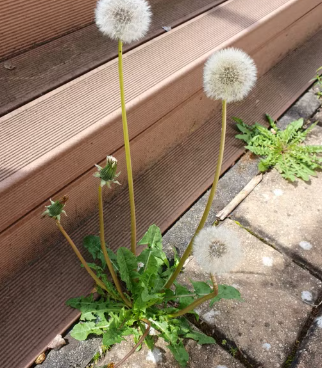
- Dandelions
- Crabgrass
- Clover
- Chickweed
- Plantain
- Purslane
- Thistle
Effective weed control focuses not only on removing existing weeds but also on preventing future growth.
The Growing Popularity of Natural Weed Control
Traditional herbicides can be effective, but many homeowners prefer natural methods for several reasons.
Environmental Considerations
Natural weed control solutions often break down more quickly in the environment and may reduce reliance on synthetic chemicals.
Budget-Friendly Solutions
Many household ingredients cost far less than commercial weed-control products.
Convenience
Common pantry items can often be used immediately without a special trip to the garden center.
Simplicity
Natural methods are typically easy to prepare and apply.
A Simple Household Weed Control Solution
One of the most commonly used natural weed-control approaches combines three household ingredients:
- White vinegar
- Table salt
- Dish soap
Each ingredient plays a different role in helping manage unwanted plants.
How the Ingredients Work
White Vinegar
White vinegar contains acetic acid, which can damage the leaves of many weeds. When sprayed directly on weed foliage, it may cause the plant to dry out.
Salt
Salt can contribute to plant dehydration and may help prevent some weeds from regrowing in certain non-garden areas.
Dish Soap
Dish soap acts as a surfactant, helping the solution stick to weed leaves rather than rolling off.
Together, these ingredients create a simple mixture often used for spot treatment of weeds in driveways, walkways, and other hardscape areas.
Natural Weed Control Recipe
Ingredients
- 1 gallon white vinegar
- 1 cup table salt
- 1 tablespoon liquid dish soap
Instructions
- Pour the vinegar into a large container.
- Add the salt and stir until dissolved.
- Mix in the dish soap.
- Transfer the solution to a spray bottle or garden sprayer.
The mixture is now ready for use.
How to Apply the Solution
Proper application is important for achieving the best results.
Step 1: Choose a Sunny Day
Warm, sunny weather often improves effectiveness because treated plants dry out more quickly.
Step 2: Target Weeds Directly
Spray the solution directly onto weed leaves until thoroughly coated.
Step 3: Avoid Desirable Plants
This solution may affect many types of vegetation, including flowers, vegetables, shrubs, and grass.
Carefully target only the weeds you intend to treat.
Step 4: Allow Time to Work
Visible effects may begin appearing within several hours or days, depending on weather conditions and weed type.
Best Places to Use Natural Weed Solutions
Natural weed-control sprays are generally most appropriate for:
Driveways
Weeds often emerge through cracks and expansion joints.
Sidewalks
Small weeds can quickly spread between concrete sections.
Gravel Areas
Gravel pathways frequently provide ideal growing conditions for weeds.
Patio Cracks
Patio stones and pavers can develop persistent weed problems.
Fence Lines
Spot treatment may help manage weeds growing along property boundaries.
Areas Where Caution Is Needed
Natural does not automatically mean harmless.
Certain ingredients can affect soil and nearby plants.
Use caution around:
- Vegetable gardens
- Flower beds
- Newly planted shrubs
- Lawns
- Trees with shallow roots
Excessive salt use may negatively affect soil quality over time.
For this reason, many gardeners reserve salt-based solutions for hardscape areas rather than planting beds.
Alternative Natural Weed Control Methods
Household sprays are only one option. Combining multiple approaches often produces the best long-term results.
Hand Pulling
Removing weeds by hand remains one of the most reliable methods.
For best results:
- Pull weeds after rainfall.
- Remove the entire root system.
- Dispose of seed-producing weeds properly.
Mulching
Mulch blocks sunlight and reduces weed germination.
Popular mulch materials include:
- Wood chips
- Straw
- Bark mulch
- Pine needles
- Compost
A mulch layer of two to four inches can significantly reduce weed growth.
Boiling Water
Boiling water can damage weeds growing in cracks and pavement joints.
Simply pour carefully onto unwanted plants.
This method is often used for:
- Sidewalk cracks
- Driveways
- Gravel paths
Avoid splashing nearby desirable plants.
Landscape Fabric
Landscape fabric helps suppress weeds while allowing water to pass through.
It can be useful under:
- Decorative rock
- Garden pathways
- Mulched beds
Regular Mowing
For lawns, maintaining proper mowing height can reduce opportunities for weeds to establish themselves.
Healthy grass naturally competes against many common weeds.
Understanding Weed Prevention
The most effective weed-control strategy is prevention.
Improve Soil Health
Healthy plants are better able to compete with weeds.
Add:
- Compost
- Organic matter
- Balanced fertilizers when needed
Fill Bare Spots
Open soil provides ideal conditions for weed seeds.
Plant ground covers or desirable plants to occupy empty spaces.
Water Properly
Deep, infrequent watering encourages stronger root systems in desired plants.
Remove Weeds Early
Young weeds are easier to eliminate before they produce seeds.
Common Mistakes to Avoid
Spraying on Windy Days
Wind can carry the solution onto nearby plants.
Overusing Salt
Repeated applications may negatively impact soil quality.
Expecting Immediate Permanent Results
Some perennial weeds may regrow from underground roots.
Additional treatments may be necessary.
Ignoring Root Systems
Top growth may disappear while roots remain alive beneath the soil.
Treating Before Rain
Rain can dilute the solution before it has time to work.
Benefits of Natural Weed Control
Many homeowners appreciate natural weed management because it offers several advantages.
Cost Savings
Household ingredients are often inexpensive and readily available.
Easy Preparation
No specialized equipment is required.
Reduced Chemical Use
Natural approaches can reduce reliance on synthetic herbicides.
Flexible Application
Spot treatments allow targeted weed management.
Limitations of Natural Weed Solutions
It’s important to have realistic expectations.
Natural methods may:
- Require repeated applications
- Work more effectively on young weeds
- Be less effective on deep-rooted perennial weeds
- Need integration with other weed-control strategies
A comprehensive approach typically provides the best long-term results.
Frequently Asked Questions
Does vinegar kill weeds permanently?
Vinegar often damages the visible portions of weeds. Some weeds may regrow if roots remain alive underground.
Is natural weed control safe around pets?
Many natural ingredients are commonly found in households, but treated areas should be allowed to dry completely before allowing pets access. Follow product labels and consult a professional if you have concerns.
Can I use apple cider vinegar instead of white vinegar?
White vinegar is generally preferred because it is typically more economical and commonly used for household cleaning purposes.
How often should I apply the solution?
Some weeds may require repeated spot treatments depending on their size and growth habits.
Will the spray harm grass?
Yes. The solution can damage or kill grass and other desirable plants if sprayed directly on them.
Long-Term Weed Management Tips
For the best results:
- Remove weeds before they flower.
- Apply mulch regularly.
- Improve soil quality.
- Monitor problem areas frequently.
- Address small infestations quickly.
- Maintain healthy lawns and garden plants.
- Combine prevention and treatment methods.
Consistency is often more important than any single weed-control product.
Final Thoughts
Managing weeds doesn’t always require expensive products or complicated treatments. A simple natural weed control method using common household ingredients such as white vinegar, salt, and dish soap can help tackle unwanted weeds in driveways, patios, sidewalks, and other non-garden areas.
While natural solutions may not eliminate every weed permanently, they can serve as an effective tool within a broader weed-management strategy. Combined with mulching, hand-pulling, proper lawn care, and preventative gardening practices, these methods can help keep outdoor spaces neat, attractive, and easier to maintain throughout the year.
By understanding how weeds grow and taking a consistent approach to prevention and control, homeowners can enjoy healthier landscapes while reducing dependence on harsh chemical herbicides.