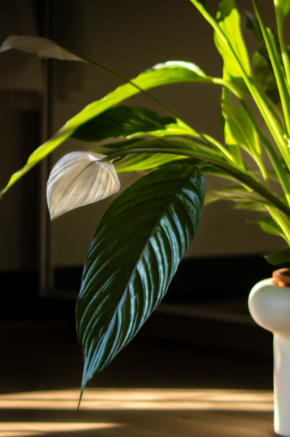
How to Get a Peace Lily to Bloom Again: Simple Tips That Really Work
Peace lilies are among the most popular indoor plants, loved for their elegant white blooms and lush green foliage. Many plant owners enjoy the beauty of their peace lily when it’s flowering, but frustration often sets in when the blooms stop appearing. If your peace lily has healthy leaves but refuses to flower, you’re not alone.
The good news is that peace lilies can bloom again with the right care and growing conditions. Understanding what triggers flowering and making a few adjustments can encourage your plant to produce those beautiful white blooms once more.
In this comprehensive guide, you’ll learn exactly how to get a peace lily to bloom again, why it may have stopped flowering, and the simple care tips that really work.
Understanding Peace Lily Blooms
Before diving into solutions, it’s important to understand how peace lilies bloom.
The white “flower” that most people admire is actually called a spathe, which surrounds a spike-like structure known as a spadix. The true flowers are tiny and grow on the spadix. A healthy peace lily typically blooms during spring and summer, although some varieties can flower multiple times throughout the year when grown indoors under ideal conditions.
If your peace lily isn’t blooming, it usually means one or more of its growing requirements are not being met.
Why Your Peace Lily Is Not Blooming
Several factors can prevent a peace lily from flowering. Identifying the root cause is the first step toward restoring blooms.
Insufficient Light
The most common reason peace lilies fail to bloom is inadequate light. While these plants are famous for tolerating low-light environments, tolerance does not mean preference.
In low light, peace lilies often survive but focus their energy on maintaining foliage rather than producing flowers. Blooming requires significantly more energy, and without enough light, the plant simply won’t have the resources needed.
Nutrient Deficiency
Plants need essential nutrients to produce flowers. A peace lily that hasn’t been fertilized in a long time may lack the nutrients required for blooming.
Excessive fertilization can also be a problem. Too much nitrogen encourages leafy growth at the expense of flowers.
Incorrect Watering
Peace lilies are sensitive to watering habits. Both underwatering and overwatering can stress the plant and interrupt its blooming cycle.
Consistent moisture is important, but soggy soil can damage roots and reduce flowering potential.
Plant Age
Young peace lilies often need time to mature before they begin flowering regularly. If you’ve recently purchased a small plant, patience may be necessary.
Root Problems
A severely root-bound plant or one suffering from root rot may struggle to bloom. Healthy roots are essential for nutrient absorption and flower production.
Seasonal Dormancy
Like many flowering plants, peace lilies have natural periods of active growth and rest. Temporary pauses in blooming are perfectly normal.
How to Get a Peace Lily to Bloom Again
Now that you know the possible causes, let’s explore the practical steps that can encourage flowering.
1. Provide Bright, Indirect Light
Light is the single most important factor for peace lily blooms.
Place your plant near a window where it can receive bright, filtered sunlight throughout the day. East-facing windows are often ideal because they provide gentle morning light.
South- or west-facing windows can also work if the light is filtered through curtains.
Signs Your Peace Lily Needs More Light
- No flowers for extended periods
- Slow growth
- Smaller leaves
- Weak stems
- Sparse foliage
Avoid direct afternoon sunlight, which can scorch leaves and cause brown patches.
A simple rule is this: if you can comfortably read a book near the plant without turning on lights during the day, the location is likely bright enough.
2. Follow a Proper Watering Schedule
Peace lilies prefer consistently moist soil but dislike sitting in water.
Check the soil regularly by inserting your finger about an inch deep. Water when the top layer feels slightly dry.
Best Watering Practices
- Water thoroughly until excess drains from the bottom.
- Empty drainage trays after watering.
- Avoid allowing roots to sit in standing water.
- Reduce watering slightly during winter.
A stressed plant often diverts energy away from blooming, so maintaining proper moisture levels is essential.
3. Increase Humidity Levels
Peace lilies are tropical plants that naturally thrive in humid environments.
Dry indoor air, especially during winter, can negatively affect overall plant health and reduce flowering potential.
Ways to Boost Humidity
- Use a room humidifier.
- Group plants together.
- Place the pot on a pebble tray filled with water.
- Mist leaves occasionally.
Aim for humidity levels between 40% and 60% for best results.
4. Feed Your Peace Lily Correctly
Regular fertilization can make a significant difference in bloom production.
Use a balanced liquid houseplant fertilizer diluted to half strength every six to eight weeks during the growing season.
Fertilizer Tips
Choose fertilizers with balanced nutrient ratios such as:
- 10-10-10
- 20-20-20
Avoid overfeeding, as excessive fertilizer can cause salt buildup in the soil and damage roots.
If white crusts appear on the soil surface, flush the pot thoroughly with water to remove excess salts.
5. Repot When Necessary
A peace lily that has outgrown its container may stop blooming.
Signs that repotting is needed include:
- Roots emerging from drainage holes
- Soil drying out very quickly
- Reduced growth
- Frequent wilting
Choose a pot only one or two inches larger than the current container. Oversized pots can encourage root growth rather than flower production.
Use a well-draining potting mix designed for indoor plants.
6. Maintain Ideal Temperatures
Temperature plays a major role in flowering.
Peace lilies thrive in temperatures between 65°F and 85°F (18°C to 29°C).
Avoid exposing the plant to:
- Cold drafts
- Air conditioning vents
- Heating vents
- Sudden temperature fluctuations
Consistent warmth supports healthy growth and blooming.
7. Clean the Leaves Regularly
Dust accumulation can reduce a plant’s ability to absorb light efficiently.
Wipe leaves gently with a damp cloth every few weeks.
Benefits include:
- Improved photosynthesis
- Better plant appearance
- Increased light absorption
- Reduced pest issues
Clean leaves allow the plant to maximize energy production needed for flowering.
8. Remove Spent Blooms
Dead flowers continue consuming energy.
Once blooms fade and begin turning green or brown, trim them at the base using clean pruning scissors.
This encourages the plant to redirect resources toward producing new flowers.
Regular grooming also improves the plant’s overall appearance.
9. Avoid Frequent Relocation
Peace lilies prefer stable conditions.
Constantly moving the plant from one location to another can create stress and interrupt blooming cycles.
Once you find a spot with proper lighting and temperature, leave the plant there whenever possible.
Consistency often leads to better flowering results.
10. Be Patient After Making Changes
Many plant owners expect immediate results after improving care.
However, peace lilies typically need several weeks or even months to respond to improved conditions.
After increasing light, adjusting watering, and fertilizing properly, continue providing consistent care.
Patience is often rewarded with healthy new blooms.
Common Peace Lily Blooming Mistakes
Avoiding these mistakes can significantly improve your chances of seeing flowers again.
Keeping the Plant in a Dark Corner
Many people assume peace lilies prefer darkness.
While they survive in low light, blooming usually requires brighter conditions.
Overwatering
Constantly wet soil can lead to root problems and reduced flowering.
Excess Fertilizer
More fertilizer does not equal more flowers.
Overfeeding can harm roots and actually prevent blooming.
Ignoring Pot Size
A severely root-bound plant may struggle to flower.
Using Cold Water
Room-temperature water is generally better for tropical plants.
Cold water can shock sensitive roots.
How Long Does It Take for a Peace Lily to Bloom Again?
The timeline varies depending on the cause of the problem.
If insufficient light was the issue, blooms may appear within a few months after relocation.
If nutrient deficiency was responsible, flowering often resumes during the next active growing season.
Generally, most healthy peace lilies can begin producing flowers again within three to six months after proper care adjustments are made.
Signs Your Peace Lily Is Preparing to Bloom
Watch for these encouraging indicators:
- Strong new leaf growth
- Larger leaves
- Healthy green color
- Thick stems emerging from the center
- White flower buds beginning to form
These signs suggest your plant is receiving adequate care and may soon reward you with blooms.
Frequently Asked Questions
Do Peace Lilies Bloom All Year?
Most peace lilies bloom during spring and summer. However, healthy indoor plants may produce flowers multiple times throughout the year under ideal conditions.
Can Artificial Light Help a Peace Lily Bloom?
Yes. Full-spectrum LED grow lights can provide the additional light needed for flowering, especially in darker homes or during winter months.
Why Are My Peace Lily Flowers Green Instead of White?
Green blooms often indicate aging flowers, excessive light, or natural variations in the blooming cycle.
Should I Cut Off Green Flowers?
If the flower is old and beginning to fade, removing it can help conserve energy for future blooms.
How Often Should I Fertilize a Peace Lily?
Every six to eight weeks during active growth is usually sufficient.
Final Thoughts
Getting a peace lily to bloom again is usually a matter of providing the right balance of light, water, nutrients, and environmental conditions. While these plants are known for surviving in less-than-ideal settings, blooming requires a higher level of care.
The most effective strategy is to focus on bright indirect light, proper watering, moderate fertilization, and stable growing conditions. Once these needs are met, your peace lily can regain its strength and begin producing the elegant white blooms that make it such a beloved houseplant.
With patience and consistent care, your peace lily can thrive for years and reward you with beautiful flowers season after season.