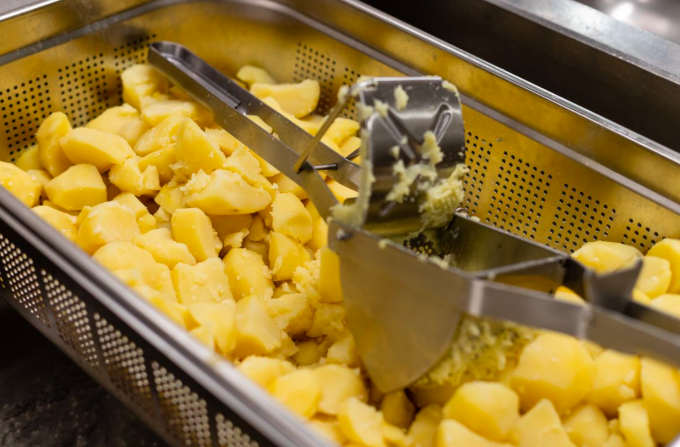
Chef’s Secret for Extra Creamy Mashed Potatoes Without Milk or Water
Mashed potatoes are one of the world’s most beloved comfort foods. Whether served during holiday dinners, family gatherings, or cozy weeknight meals, a bowl of smooth, creamy mashed potatoes often disappears quickly from the table. While many traditional recipes rely on milk, cream, or even water to achieve a soft texture, some cooks are discovering that incredibly rich mashed potatoes can be made without using either.
Professional chefs often focus less on adding liquid and more on maximizing flavor, texture, and natural creaminess. The result is mashed potatoes that taste richer, smoother, and more satisfying without becoming watery or bland.
The secret lies in choosing the right ingredients, using proper cooking methods, and understanding how potatoes behave during preparation. With a few simple techniques, it’s possible to create restaurant-style mashed potatoes that are fluffy, velvety, and deeply flavorful — all without pouring in milk or water at the final stage.
Why Some People Skip Milk in Mashed Potatoes
There are several reasons home cooks choose to make mashed potatoes without milk.
Some people:
- Avoid dairy products
- Run out of milk unexpectedly
- Prefer richer potato flavor
- Want thicker mashed potatoes
- Follow lactose-free eating habits
Fortunately, mashed potatoes can still turn out creamy and delicious without traditional milk-based ingredients.
The Biggest Problem With Watery Mashed Potatoes
One of the most common mistakes when making mashed potatoes is adding too much liquid.
Excess liquid may cause potatoes to become:
- Gluey
- Thin
- Runny
- Bland
Professional chefs often aim to preserve the potato’s natural starch balance rather than overwhelm it with unnecessary moisture.
The Chef’s Secret: Using Butter and Potato Starch Together
Many chefs rely on the potato’s own starch combined with butter or fat to create creaminess.
Instead of thinning potatoes with extra liquid, they:
- Cook potatoes properly
- Remove excess moisture
- Mash while hot
- Blend with rich fats carefully
This creates a naturally smooth texture without needing milk or water.
Why Butter Plays Such an Important Role
Butter contributes:
- Richness
- Flavor
- Smooth texture
- Creamy mouthfeel
When mixed into hot potatoes, butter coats starch molecules and helps create a silky consistency.
Choosing the Best Potatoes for Creamy Texture
Not all potatoes behave the same way.
Best Potato Types for Mashed Potatoes
Russet Potatoes
Russets are popular because they:
- Mash easily
- Become fluffy
- Absorb butter well
Yukon Gold Potatoes
Yukon Gold potatoes are naturally buttery and creamy.
Many chefs prefer them because they:
- Have smooth texture
- Require less added fat
- Taste rich naturally
Potatoes to Use Carefully
Waxy potatoes may become:
- Sticky
- Dense
- Gummy
if overmixed.
Why Overmixing Ruins Mashed Potatoes
Potatoes contain starch. Excessive mixing activates starch aggressively, leading to:
- Gluey texture
- Sticky consistency
- Heavy mashed potatoes
Professional chefs often mash potatoes gently to preserve fluffiness.
Another Chef Secret: Letting Steam Escape
After boiling potatoes, chefs often return them briefly to the hot pot.
This helps evaporate extra moisture.
Removing excess water allows potatoes to absorb butter more effectively while preventing watery texture.
The Importance of Hot Potatoes
Potatoes mash best while hot.
Warm potatoes:
- Absorb butter more evenly
- Blend more smoothly
- Maintain fluffy texture
Cold potatoes may become lumpy and difficult to mix properly.
Ingredients That Add Creaminess Without Milk
Several ingredients may help create creamy mashed potatoes without milk.
Butter
One of the simplest and most effective options.
Cream Cheese
Adds:
- Tanginess
- Rich texture
- Extra smoothness
Sour Cream
Provides:
- Creaminess
- Slight tang
- Thick consistency
Greek Yogurt
Offers:
- Creamy texture
- Protein
- Mild tanginess
Olive Oil
Creates a silky texture while adding depth of flavor.
Roasted Garlic
Adds richness and savory flavor without additional liquid.
Chicken Broth (Used Carefully)
Some cooks use small amounts for flavor, though too much may thin the potatoes.
Why Yukon Gold Potatoes Need Less Liquid
Yukon Gold potatoes naturally contain:
- More moisture
- Creamier texture
- Buttery flavor
This makes them ideal for recipes without milk.
How Restaurants Achieve Ultra-Smooth Texture
Many restaurants use techniques such as:
- Potato ricers
- Food mills
- Gentle folding methods
These tools help create smoother mashed potatoes without overworking the starch.
Why Potato Ricers Work So Well
A potato ricer pushes potatoes through small holes, creating:
- Fine texture
- Even consistency
- Fluffy results
without aggressive mixing.
Flavor Boosters Chefs Often Use
Professional kitchens frequently enhance mashed potatoes with:
- Roasted garlic
- Chives
- Parmesan cheese
- Black pepper
- Herbs
- Brown butter
Flavor layering helps simple ingredients taste more luxurious.
The Role of Salt
Potatoes absorb significant amounts of seasoning.
Chefs often salt:
- The cooking water
- The finished potatoes
Proper seasoning dramatically improves flavor.
Why Some Chefs Avoid Water in the Final Mix
Water may dilute:
- Flavor
- Texture
- Richness
Using fats and natural starch instead often creates more concentrated potato flavor.
Common Mistakes That Ruin Mashed Potatoes
Using the Wrong Potato Type
Waxy potatoes may create gummy texture.
Overboiling Potatoes
Waterlogged potatoes absorb too much moisture.
Overmixing
Too much stirring activates starch excessively.
Adding Cold Ingredients
Cold butter or dairy may cool potatoes unevenly.
Underseasoning
Potatoes require adequate salt for full flavor.
Why Simplicity Often Works Best
Some of the best mashed potatoes contain only a few ingredients:
- Potatoes
- Butter
- Salt
- Pepper
Simple techniques often matter more than complicated recipes.
Dairy-Free Options for Creaminess
People avoiding dairy may still achieve creamy results using:
- Olive oil
- Vegan butter
- Cashew cream
- Plant-based sour cream
Texture depends more on technique than milk alone.
The Importance of Texture Balance
Great mashed potatoes should feel:
- Creamy
- Fluffy
- Smooth
without becoming:
- Gluey
- Heavy
- Soupy
Balancing starch and fat is key.
Why Homemade Mashed Potatoes Taste Better
Freshly made mashed potatoes often taste better because they:
- Retain texture
- Avoid preservatives
- Allow ingredient control
- Taste fresher
Restaurant-quality results are achievable at home with proper technique.
How to Keep Mashed Potatoes Warm
Chefs often keep mashed potatoes warm using:
- Covered pots
- Low heat
- Double boilers
High heat may dry them out or cause sticking.
Can Mashed Potatoes Be Made Ahead?
Yes. Many cooks prepare mashed potatoes ahead of time and reheat gently.
Adding small amounts of butter during reheating may restore creaminess.
Popular Add-Ins for Extra Flavor
Many home cooks personalize mashed potatoes with:
- Bacon bits
- Cheese
- Herbs
- Caramelized onions
- Roasted garlic
Flavor additions can turn a basic side dish into the highlight of the meal.
Why Comfort Foods Remain So Popular
Creamy mashed potatoes are associated with:
- Family gatherings
- Holidays
- Warm meals
- Nostalgia
Simple comfort foods often create strong emotional connections.
Frequently Asked Questions
Can Mashed Potatoes Be Creamy Without Milk?
Yes. Butter, starch, and proper technique may create creamy texture without milk.
Which Potatoes Work Best?
Russet and Yukon Gold potatoes are commonly preferred.
Why Do Mashed Potatoes Become Gluey?
Overmixing activates starch excessively.
Is Butter Enough for Creaminess?
In many cases, yes — especially with properly cooked potatoes.
Can Dairy-Free Versions Still Taste Rich?
Yes. Olive oil and plant-based alternatives may create creamy texture.
Final Thoughts
Extra creamy mashed potatoes do not necessarily require milk or added water. Many professional chefs achieve rich, velvety texture by focusing on potato choice, proper cooking methods, butter, and careful handling of starch.
The real secret lies in removing excess moisture, mashing potatoes while hot, avoiding overmixing, and allowing the natural starch and fats to work together. With the right technique, mashed potatoes can become fluffy, flavorful, and deeply satisfying using only a few simple ingredients.
Whether served during holidays or weeknight dinners, perfectly creamy mashed potatoes remain one of the most comforting and timeless dishes people continue to love around the world.