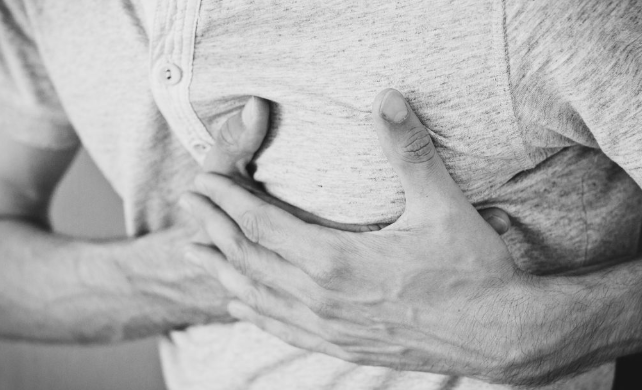
10 Warning Signs of a Stroke You Should Never Ignore
Recognizing Stroke Symptoms Quickly Could Help Save a Life
A stroke is a serious medical emergency that occurs when blood flow to part of the brain is interrupted or when a blood vessel in the brain bursts. Because brain cells can become damaged within minutes without proper oxygen and nutrients, recognizing the warning signs of a stroke and seeking immediate medical attention is critical.
Many people believe strokes only happen suddenly with severe symptoms, but some warning signs can be subtle and easy to overlook. Knowing what to watch for can help you respond quickly if you or someone around you experiences symptoms.
In this guide, we’ll explore the 10 warning signs of a stroke, why quick action matters, common risk factors, and what you should do if you suspect someone is having a stroke.
Important: This article is for general education only and does not replace professional medical advice. If you suspect a stroke, contact emergency services immediately.
What Is a Stroke?
A stroke happens when the brain does not receive enough blood supply or when bleeding occurs inside the brain.
There are two main types of strokes:
Ischemic Stroke
An ischemic stroke occurs when a blood clot blocks a blood vessel supplying the brain. This is the most common type of stroke.
Hemorrhagic Stroke
A hemorrhagic stroke occurs when a weakened blood vessel breaks and causes bleeding in the brain.
Both types require urgent medical attention.
Why Recognizing Stroke Signs Matters
During a stroke, every minute can make a difference. Delays in treatment may increase the risk of:
- Permanent brain damage
- Difficulty speaking
- Paralysis
- Memory problems
- Loss of independence
- Long-term disability
Early treatment can improve outcomes and reduce complications.
The FAST Stroke Warning Signs
A simple way to remember common stroke symptoms is the FAST method.
F — Face Drooping
Ask the person to smile.
Warning sign:
- One side of the face droops
- The smile appears uneven
- Facial numbness occurs
A — Arm Weakness
Ask the person to raise both arms.
Warning sign:
- One arm drifts downward
- One side feels weak or numb
S — Speech Difficulty
Ask the person to repeat a simple sentence.
Warning signs:
- Slurred speech
- Trouble finding words
- Difficulty understanding speech
T — Time to Call Emergency Services
If any of these signs appear, seek emergency medical help immediately.
10 Warning Signs of a Stroke You Should Never Ignore
1. Sudden Weakness or Numbness on One Side of the Body
One of the most recognizable stroke symptoms is sudden weakness or numbness affecting one side of the body.
This may involve:
- Face
- Arm
- Leg
- Entire side of the body
A person may suddenly have trouble lifting an arm, walking normally, or controlling facial muscles.
Because strokes often affect one side of the brain, symptoms frequently appear on the opposite side of the body.
2. Sudden Trouble Speaking or Understanding Words
A stroke can affect areas of the brain responsible for communication.
Signs may include:
- Slurred speech
- Confusing words
- Difficulty forming sentences
- Trouble understanding others
- Sudden inability to communicate clearly
Even if the person seems alert, speech changes should never be ignored.
3. Sudden Facial Drooping
A person experiencing a stroke may develop weakness on one side of the face.
You may notice:
- A lowered corner of the mouth
- Uneven smile
- Drooping eyelid
- Facial numbness
A quick smile test can help identify this warning sign.
4. Sudden Severe Headache
A sudden, intense headache unlike anything experienced before can be a warning sign, especially if it occurs with other symptoms.
A stroke-related headache may appear:
- Very suddenly
- Without an obvious cause
- Along with dizziness, confusion, or nausea
A severe unusual headache requires urgent medical evaluation.
5. Sudden Vision Problems
Stroke can affect the parts of the brain responsible for vision.
Possible symptoms include:
- Blurred vision
- Double vision
- Loss of vision in one eye
- Loss of vision on one side
Sudden changes in vision should always be taken seriously.
6. Sudden Dizziness or Loss of Balance
A stroke may interfere with coordination and movement.
Warning signs include:
- Trouble walking
- Feeling unsteady
- Loss of coordination
- Sudden dizziness
- Difficulty standing
These symptoms may be mistaken for other conditions, but sudden balance problems require attention.
7. Confusion or Difficulty Understanding Situations
A person having a stroke may suddenly become confused.
Signs may include:
- Trouble understanding conversations
- Disorientation
- Difficulty following instructions
- Unusual behavior changes
Sudden confusion can indicate that the brain is not functioning properly.
8. Difficulty Walking or Sudden Loss of Coordination
A stroke can affect movement and balance, making ordinary activities suddenly difficult.
Someone may:
- Stumble unexpectedly
- Have trouble controlling movements
- Feel weakness in the legs
- Struggle to walk normally
Sudden mobility problems should not be dismissed.
9. Numbness or Tingling Without Explanation
Unexpected numbness, especially on one side of the body, can be a stroke warning sign.
Pay attention to sudden sensations such as:
- Pins and needles
- Loss of feeling
- Facial numbness
- Arm or leg numbness
The sudden onset is an important clue.
10. Sudden Difficulty Swallowing
Some strokes affect the muscles involved in swallowing.
Warning signs may include:
- Trouble swallowing food or liquids
- Coughing while eating
- A feeling that food is stuck
- Changes in voice
Difficulty swallowing after sudden neurological symptoms requires urgent medical attention.
Mini-Strokes: A Warning You Should Not Ignore
A transient ischemic attack (TIA), sometimes called a mini-stroke, occurs when blood flow to the brain is temporarily interrupted.
Symptoms may disappear within minutes or hours.
Even though symptoms go away, a TIA is still a serious warning sign because it may indicate an increased risk of a future stroke.
Possible TIA symptoms include:
- Temporary weakness
- Temporary speech problems
- Temporary vision changes
- Sudden confusion
- Balance problems
Anyone experiencing these symptoms should seek medical evaluation.
What to Do If You Suspect a Stroke
If you notice possible stroke symptoms:
Call Emergency Services Immediately
Do not wait to see whether symptoms improve.
Note the Time Symptoms Started
Healthcare professionals need to know when symptoms began because some treatments are time-sensitive.
Keep the Person Safe
- Help them sit or lie down.
- Do not give food or drinks.
- Do not give medication unless instructed by medical professionals.
Do Not Drive Yourself
Emergency medical teams can begin care while transporting the person.
Common Stroke Risk Factors
Several factors can increase the likelihood of stroke.
High Blood Pressure
High blood pressure is one of the leading stroke risk factors because it can damage blood vessels over time.
High Cholesterol
High cholesterol can contribute to artery narrowing and blockages.
Diabetes
Diabetes can damage blood vessels and increase stroke risk.
Smoking
Smoking damages arteries and increases the likelihood of blood clots.
Lack of Physical Activity
Regular movement supports cardiovascular health.
Obesity
Excess weight can increase the risk of several stroke-related conditions.
Heart Conditions
Certain heart problems can increase the chance of blood clots forming.
How to Reduce Your Stroke Risk
While not all strokes can be prevented, healthy habits can lower risk.
Maintain Healthy Blood Pressure
Regular monitoring and appropriate treatment can help protect blood vessels.
Eat a Heart-Healthy Diet
Choose more:
- Fruits
- Vegetables
- Whole grains
- Lean proteins
- Healthy fats
Limit:
- Excess salt
- Highly processed foods
- Added sugars
Exercise Regularly
Physical activity supports healthy circulation and heart function.
Stop Smoking
Avoiding tobacco significantly benefits cardiovascular health.
Manage Stress
Long-term stress can negatively affect overall health.
Get Regular Health Checkups
Routine screenings can identify risk factors early.
Stroke Symptoms in Women
Women may experience typical stroke symptoms but can also report additional signs, including:
- Sudden fatigue
- Nausea
- Shortness of breath
- Confusion
- General weakness
Because symptoms may sometimes be less obvious, it is important not to ignore unusual sudden changes.
Stroke Symptoms in Older Adults
Older adults may be at higher risk due to age-related health conditions.
Watch carefully for:
- Sudden confusion
- New weakness
- Changes in speech
- Loss of balance
- Vision changes
Any sudden neurological change requires attention.
Frequently Asked Questions
Can a stroke happen without pain?
Yes. Many strokes occur without pain. Symptoms such as weakness, speech problems, or confusion may appear without a headache.
Do stroke symptoms always happen suddenly?
Many strokes cause sudden symptoms, but some warning signs can develop subtly.
Can young people have strokes?
Yes. Although stroke risk increases with age, younger people can also experience strokes.
Can stroke symptoms disappear?
Yes. Temporary symptoms may occur during a TIA, but they still require medical evaluation.
Final Thoughts
A stroke can happen quickly, and recognizing the warning signs can make a life-changing difference. Sudden weakness, facial drooping, speech problems, vision changes, severe headaches, and loss of balance are among the symptoms that should never be ignored.
Remember the FAST method:
- Face: Is one side drooping?
- Arm: Is there weakness?
- Speech: Is speech unclear?
- Time: Call emergency services immediately.
Knowing the signs, acting quickly, and maintaining a heart-healthy lifestyle are important steps toward protecting yourself and your loved ones from the serious effects of stroke.