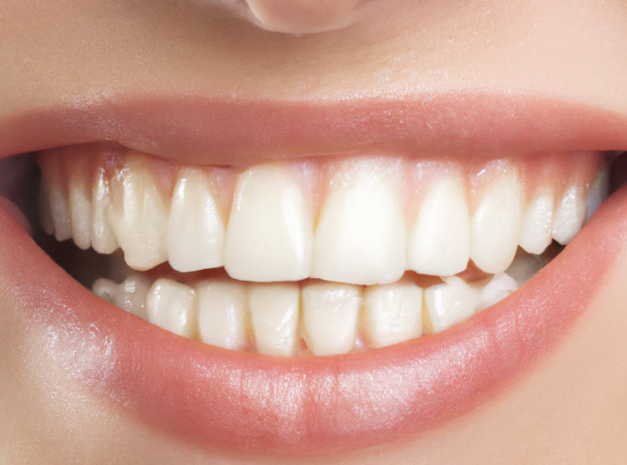
How to Reduce Dental Plaque Naturally: Tips for Better Oral Health
A healthy smile starts with good oral hygiene, but even people who brush regularly can struggle with dental plaque. That sticky, colorless film that forms on teeth is one of the most common causes of cavities, gum problems, and bad breath. The good news is that simple daily habits and natural approaches can help reduce plaque buildup and support better oral health.
Dental plaque is not something that can be completely eliminated because it naturally forms throughout the day. However, with the right care routine, you can keep plaque under control and reduce the risk of dental problems.
This guide explains what dental plaque is, why it forms, natural ways to reduce it, foods that support healthy teeth, mistakes to avoid, and when to see a dentist.
What Is Dental Plaque?
Dental plaque is a soft, sticky layer of bacteria that constantly develops on teeth and along the gumline.
Your mouth naturally contains hundreds of types of bacteria. When these bacteria mix with food particles and saliva, they create a thin coating called plaque.
If plaque is removed regularly through brushing and cleaning between teeth, it is usually harmless. However, when it remains on teeth for too long, it can harden into tartar (also called calculus), which cannot be removed easily at home.
Why Is Dental Plaque a Problem?
Plaque buildup can contribute to several oral health issues.
Cavities
Plaque bacteria feed on sugars from food and produce acids. These acids can weaken tooth enamel and lead to tooth decay.
Gum Disease
When plaque builds up near the gums, it can cause inflammation.
Early signs may include:
- Red gums
- Swelling
- Bleeding during brushing
- Tenderness
If untreated, gum disease can become more serious.
Bad Breath
Plaque contains bacteria that can produce unpleasant odors, contributing to persistent bad breath.
What Causes Excessive Plaque Buildup?
Several factors can increase plaque formation.
Poor Brushing Technique
Even brushing twice daily may not be effective if the technique is incorrect.
Common problems include:
- Missing areas near the gumline
- Brushing too quickly
- Using improper movements
Not Cleaning Between Teeth
A toothbrush cannot reach every surface of your teeth. Food particles and plaque can remain between teeth without flossing or another cleaning method.
Frequent Sugar Intake
Sugary foods and drinks provide fuel for plaque bacteria.
Frequent snacking can expose teeth to acids more often throughout the day.
Dry Mouth
Saliva helps wash away food particles and neutralize acids.
Reduced saliva production can increase plaque buildup.
Causes of dry mouth may include:
- Certain medications
- Dehydration
- Medical conditions
- Mouth breathing
Natural Ways to Reduce Dental Plaque
The following habits can help control plaque naturally and support a healthier mouth.
1. Brush Your Teeth Properly
Brushing is the foundation of plaque control.
For better results:
- Brush twice daily
- Spend about two minutes brushing
- Use gentle circular motions
- Clean along the gumline
- Brush all tooth surfaces
Using too much force does not remove more plaque and may irritate gums.
A soft-bristled toothbrush is usually recommended because it cleans effectively while being gentle on enamel and gums.
2. Floss or Clean Between Teeth Daily
Many people brush regularly but skip cleaning between teeth.
Flossing helps remove plaque from areas a toothbrush cannot reach.
Benefits include:
- Reduced plaque between teeth
- Healthier gums
- Lower risk of cavities in hidden areas
If traditional floss is difficult to use, alternatives such as interdental brushes may help.
3. Drink Plenty of Water
Water is one of the simplest natural tools for supporting oral health.
Drinking water may help:
- Wash away food particles
- Reduce acidity in the mouth
- Support saliva production
Choosing water instead of sugary drinks is especially beneficial.
4. Eat Crunchy Fruits and Vegetables
Certain fresh foods can support natural cleaning.
Examples include:
- Apples
- Carrots
- Celery
- Cucumbers
These foods have a firm texture and encourage chewing, which stimulates saliva flow.
However, they do not replace brushing and flossing.
5. Reduce Added Sugar
Sugar is one of the biggest contributors to plaque-related problems.
Try limiting:
- Candy
- Sweetened drinks
- Frequent desserts
- Sugary snacks between meals
If you eat sugary foods, consuming them with meals rather than constantly snacking may reduce acid exposure.
6. Support Healthy Saliva Production
Saliva is the mouth’s natural defense system.
To encourage saliva flow:
- Drink enough water
- Chew sugar-free gum
- Eat balanced meals
- Avoid excessive caffeine or alcohol if they contribute to dryness
Saliva helps protect teeth by washing away bacteria and neutralizing acids.
7. Try Oil Pulling Carefully
Oil pulling is an traditional practice that involves swishing oil in the mouth for several minutes.
Some people use oils such as coconut oil as part of their oral hygiene routine.
While oil pulling may reduce certain bacteria levels, it should not replace proven methods like brushing and flossing.
If you try it:
- Do not swallow the oil
- Avoid vigorous swishing if it causes jaw discomfort
- Continue regular dental care
8. Use Natural Mouth-Rinsing Habits
Rinsing your mouth with water after meals can help remove leftover food particles.
Some people use homemade rinses, but harsh ingredients or overly acidic mixtures may damage enamel or irritate gums.
Always choose gentle approaches.
9. Maintain a Balanced Diet
A nutrient-rich diet supports healthy teeth and gums.
Important nutrients include:
Calcium
Supports strong teeth and bones.
Sources include:
- Dairy products
- Leafy greens
- Fortified foods
Vitamin C
Supports healthy gums.
Sources include:
- Citrus fruits
- Berries
- Peppers
Protein
Helps maintain oral tissues.
Sources include:
- Eggs
- Fish
- Beans
- Lean meats
10. Avoid Smoking and Tobacco Products
Smoking and tobacco use can increase plaque buildup and significantly raise the risk of gum disease.
Quitting tobacco can improve:
- Gum health
- Breath
- Overall oral wellness
Foods That May Support Better Oral Health
Certain foods can be helpful additions to a tooth-friendly diet.
Dairy Products
Milk, cheese, and yogurt provide minerals that support enamel strength.
Leafy Greens
Vegetables such as spinach and kale provide important nutrients.
Nuts and Seeds
Some nuts provide minerals that support healthy teeth.
Green Tea
Unsweetened green tea contains natural compounds that may support oral health.
Avoid adding large amounts of sugar, which can cancel out the benefits.
Common Mistakes That Increase Plaque
Even people with good intentions can develop plaque problems because of common habits.
Brushing Immediately After Acidic Foods
Foods and drinks such as citrus or soda can temporarily soften enamel.
Waiting a short time before brushing may help protect teeth.
Using a Hard-Bristled Toothbrush
Hard bristles can irritate gums and contribute to enamel wear.
Brushing Too Aggressively
More pressure does not mean cleaner teeth.
Gentle, consistent brushing is more effective.
Skipping Dental Visits
Home care is essential, but professional cleanings are needed to remove tartar that cannot be brushed away.
How Often Should You Get a Dental Cleaning?
Most people benefit from regular dental checkups and professional cleanings.
The recommended schedule depends on factors such as:
- Gum health
- Plaque buildup
- Medical conditions
- Personal dental history
Your dentist can suggest the best interval for your needs.
Signs You May Have Excess Plaque or Gum Problems
Watch for symptoms such as:
- Bleeding gums
- Persistent bad breath
- Red or swollen gums
- Tooth sensitivity
- Tartar buildup
- Loose teeth
These signs may indicate that your oral health needs attention.
Can Plaque Be Removed Naturally at Home?
Soft plaque can often be controlled with good brushing, flossing, diet choices, and healthy habits.
However, hardened tartar cannot usually be removed naturally at home. Attempting to scrape it off yourself can damage teeth and gums.
Professional dental cleaning is the safest way to remove tartar.
Frequently Asked Questions
Does Baking Soda Remove Dental Plaque?
Baking soda may help remove surface stains and neutralize acids, but excessive use can be abrasive. It should not replace regular toothpaste and professional dental care.
Can Plaque Go Away on Its Own?
No. Plaque must be physically removed through brushing, flossing, and cleaning.
How Quickly Does Plaque Form?
Plaque begins forming within hours after cleaning. This is why daily oral hygiene is important.
Is Mouthwash Necessary for Plaque Control?
Mouthwash can be helpful for some people, but it does not replace brushing and cleaning between teeth.
Can Diet Alone Prevent Plaque?
Diet plays an important role, but plaque control requires mechanical cleaning as well.
Final Thoughts
Reducing dental plaque naturally is about building consistent habits rather than relying on a single remedy. Proper brushing, cleaning between teeth, drinking water, eating a balanced diet, and limiting sugar are some of the most effective ways to support better oral health.
While natural approaches can help control plaque, they work best alongside regular dental care. Professional cleanings remain important because hardened tartar cannot be safely removed at home.
A healthy smile is built through small daily choices. By caring for your teeth and gums consistently, you can reduce plaque buildup and protect your oral health for years to come.