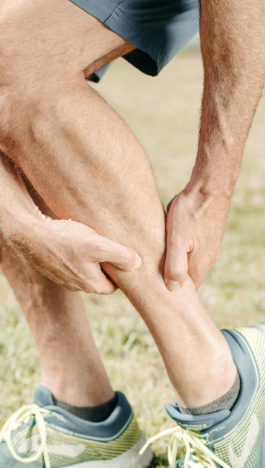
One Simple Daily Habit After 50 That May Support Better Health
Turning 50 is an important milestone that often brings new perspectives about health, energy, and quality of life. While genetics play a role in how we age, everyday habits can have a powerful influence on how we feel and function. The good news is that improving your health does not always require complicated routines, expensive programs, or major lifestyle changes.
One simple daily habit that may support better health after 50 is taking a regular walk.
Walking is one of the easiest forms of physical activity, yet it offers a wide range of potential benefits for the body and mind. It supports heart health, helps maintain mobility, encourages independence, and can become a sustainable part of a healthy aging routine.
This article explores why daily walking may be especially valuable after age 50, how to start safely, and how a simple habit can contribute to better overall well-being.
Why Small Daily Habits Matter More After 50
As people get older, the body naturally goes through changes. Muscle mass may gradually decline, metabolism can slow, and maintaining balance and flexibility may become more important.
However, aging does not mean losing the ability to stay active and healthy.
Consistent daily habits can help support:
- Strength and mobility
- Cardiovascular health
- Mental well-being
- Independence
- Daily energy levels
The key is not perfection. The most beneficial habits are often the ones that are realistic enough to maintain over time.
The Simple Habit: Walking Every Day
Walking is an accessible activity that requires no special equipment, gym membership, or advanced fitness level.
A daily walk can be as simple as:
- Walking around the neighborhood
- Visiting a local park
- Taking a walk after meals
- Walking while listening to music or podcasts
- Taking short walking breaks throughout the day
Even small amounts of movement can add up.
For many adults over 50, walking provides an excellent balance between staying active and avoiding excessive strain on the joints.
How Daily Walking May Support Better Health After 50
1. Supports Heart Health
One of the most important benefits of regular walking is its potential impact on cardiovascular health.
Walking is a form of aerobic activity that encourages the heart and lungs to work more efficiently.
A consistent walking routine may help support:
- Healthy circulation
- Better endurance
- Improved cardiovascular fitness
- Overall heart function
Since heart health becomes increasingly important with age, maintaining regular movement is a valuable part of healthy aging.
2. Helps Maintain Muscle Strength and Mobility
Many people experience gradual changes in muscle strength after middle age. Staying active can help preserve movement and physical ability.
Walking engages important muscle groups, including:
- Legs
- Hips
- Core muscles
Strong muscles support everyday activities such as:
- Climbing stairs
- Carrying groceries
- Getting up from a chair
- Maintaining balance
Remaining mobile can contribute to greater independence as the years go by.
3. Supports Balance and Stability
Balance often becomes a greater focus after 50 because falls can have serious consequences.
Regular walking encourages:
- Coordination
- Lower-body strength
- Body awareness
- Stability
Adding simple balance exercises alongside walking may provide additional benefits.
4. May Help Support Healthy Weight Management
Maintaining a healthy weight can become more challenging as metabolism changes with age.
Walking burns calories and supports an active lifestyle without placing excessive stress on the body.
Combined with balanced nutrition, regular walks may help with:
- Weight maintenance
- Better energy balance
- Healthier routines
The goal does not have to be intense exercise. Consistency is often more important than intensity.
5. Benefits Mental and Emotional Well-Being
Physical activity is closely connected with mental health.
A daily walk may help:
- Reduce feelings of stress
- Improve mood
- Provide relaxation
- Encourage social connection
Walking outdoors can be especially beneficial because time in nature and exposure to daylight may positively influence emotional well-being.
A simple walk can become a moment to clear your mind and recharge.
6. Encourages Better Sleep
Many adults experience changes in sleep patterns as they age.
Regular physical activity may support healthier sleep habits by helping regulate the body’s natural rhythms.
Walking may contribute to:
- Easier relaxation
- Improved sleep quality
- Reduced restlessness
However, intense activity close to bedtime may not work well for everyone, so timing matters.
7. Supports Joint Health Through Gentle Movement
Some people avoid exercise because they worry about joint discomfort. However, gentle movement can often help keep joints functioning smoothly.
Walking encourages:
- Joint flexibility
- Circulation around tissues
- Regular movement patterns
For people with arthritis or chronic conditions, the right amount and intensity of activity should be discussed with a healthcare professional.
How Much Walking Is Enough?
There is no single perfect amount of walking for everyone.
A good starting point may be:
- 10–15 minutes per day for beginners
- Gradually increasing duration over time
- Working toward longer walks as fitness improves
Some people aim for daily step goals, while others focus on time spent moving.
The best routine is one that fits your health, schedule, and comfort level.
How to Make Walking a Daily Habit
Building consistency is often easier when walking becomes part of an existing routine.
Try these strategies:
Walk at the Same Time Each Day
A predictable schedule makes the habit easier to remember.
Examples:
- Morning walk after breakfast
- Evening walk after dinner
- Midday walking break
Start Small
A common mistake is trying to do too much too quickly.
Beginning with a manageable distance helps create confidence and reduces the chance of injury.
Make It Enjoyable
Walking becomes easier to maintain when it feels rewarding.
Consider:
- Listening to music
- Walking with a friend
- Exploring new routes
- Joining a walking group
Track Progress
Keeping track of walks can provide motivation.
You might record:
- Time walked
- Distance
- How you felt afterward
Small improvements can be encouraging.
Safety Tips for Walking After 50
Although walking is generally safe for many adults, it is important to consider personal health needs.
Wear Comfortable Shoes
Proper footwear can help reduce strain and improve comfort.
Look for shoes with:
- Good support
- Proper fit
- Comfortable cushioning
Warm Up Before Longer Walks
A few minutes of gentle movement before walking can help prepare muscles and joints.
Pay Attention to Your Body
Stop and seek medical advice if you experience unusual symptoms such as:
- Chest pain
- Severe shortness of breath
- Dizziness
- Sudden weakness
Stay Hydrated
Bring water during longer walks, especially in warm weather.
Choose Safe Walking Areas
Consider:
- Well-lit paths
- Even surfaces
- Areas with comfortable temperatures
Other Healthy Habits That Work Well With Walking
Walking is powerful on its own, but combining it with other healthy choices can create an even stronger routine.
Eat a Balanced Diet
Focus on:
- Vegetables
- Fruits
- Lean proteins
- Whole grains
- Healthy fats
Prioritize Strength Training
Resistance exercises can help maintain muscle strength and bone health.
Examples include:
- Light weights
- Resistance bands
- Bodyweight exercises
Stay Socially Connected
Relationships and social activities are important parts of healthy aging.
Walking with others can combine physical activity with meaningful connection.
Get Regular Health Checkups
Preventive care helps identify potential issues early and supports long-term wellness.
Common Mistakes to Avoid
Thinking Exercise Must Be Intense
Many people believe exercise only counts if it is difficult.
In reality, moderate activities like walking can provide meaningful health benefits.
Being Inconsistent
Walking once in a while is helpful, but making it a routine provides greater value.
Ignoring Strength and Flexibility
Walking is excellent, but a complete fitness routine should also include strength and flexibility when appropriate.
Comparing Yourself to Others
Everyone has different abilities and health backgrounds.
Focus on your own progress.
Frequently Asked Questions
Is Walking Enough Exercise After 50?
Walking is an excellent form of exercise, especially for beginners or those looking for a sustainable activity. Adding strength and flexibility exercises can provide additional benefits.
How Many Steps Should Someone Over 50 Take Daily?
Step goals vary depending on fitness level and health conditions. A realistic goal that encourages regular movement is often more important than reaching a specific number.
Can Walking Improve Energy Levels?
Many people report feeling more energetic with consistent physical activity, although results vary from person to person.
Is It Better to Walk in the Morning or Evening?
The best time is the time you can maintain consistently. Some people enjoy morning walks, while others prefer evening walks.
Should I Talk to a Doctor Before Starting?
If you have chronic health conditions, significant symptoms, or have been inactive for a long time, discussing a new exercise routine with a healthcare professional can be helpful.
Final Thoughts
After 50, improving health does not always require dramatic changes. Sometimes, one simple daily habit can make a meaningful difference.
Walking is an affordable, accessible, and flexible activity that may support heart health, mobility, mood, balance, and overall quality of life. The most important step is not walking the longest distance or moving the fastest—it is creating a routine you can continue.
A daily walk can be a small investment in your future health, helping you stay active, independent, and engaged with the things that matter most.