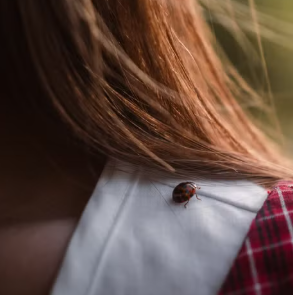
What Kind of Insect Is This? How to Identify Bugs Found on Hair or Skin
Finding a tiny insect or strange-looking speck on your hair or skin can be alarming. Many people immediately worry about parasites, bites, or infestations, but not every small bug found on the body is dangerous or even a true parasite. Correct identification is the first step toward understanding what you have found and deciding what action to take.
Some insects commonly found on humans include head lice, fleas, ticks, and certain mites. Other bugs may simply be accidental visitors that landed on clothing, hair, or skin temporarily. Knowing the differences between these insects can help you avoid unnecessary worry and choose the right treatment if needed.
This guide explains how to identify bugs found on hair or skin, the most common insects involved, signs of infestation, prevention tips, and when professional medical advice may be helpful.
Why Identifying Bugs on Hair or Skin Matters
Different insects require different solutions. Treating the wrong problem can waste time and may allow an actual infestation to continue.
For example:
- Head lice require specific removal methods.
- Ticks need careful removal to reduce health risks.
- Fleas usually require treatment of pets and the home environment.
- Skin irritation from mites may require medical evaluation.
A close look at the insect’s size, shape, movement, and location can provide important clues.
Common Bugs Found on Hair or Skin
Several insects and parasites are frequently mistaken for one another. Understanding their differences is the key to proper identification.
1. Head Lice
Head lice are among the most common insects associated with hair.
They are tiny, wingless insects that live close to the scalp and feed on small amounts of blood. They are especially common among children but can affect anyone.
How to Identify Head Lice
Adult head lice typically:
- Measure about 2–3 millimeters long
- Have a grayish-white or tan color
- Move quickly through hair
- Cannot jump or fly
- Attach eggs (nits) to individual hair strands
Nits are often easier to notice than adult lice. They appear as tiny oval-shaped eggs firmly attached near the scalp.
Common Signs of Head Lice
Symptoms may include:
- Intense itching of the scalp
- Tickling sensation in the hair
- Small red bumps from scratching
- Irritated scalp
- Difficulty sleeping due to itching
The itching is often caused by an allergic reaction to lice bites.
2. Fleas
Fleas are small, jumping insects that commonly affect pets but can also bite humans.
Unlike lice, fleas do not live permanently in human hair. They usually jump onto people from pets, carpets, bedding, or outdoor environments.
How to Identify Fleas
Fleas are:
- About 1–3 millimeters long
- Dark brown or reddish-brown
- Flattened from side to side
- Extremely good jumpers
A flea may disappear quickly because of its ability to leap long distances.
Signs of Flea Bites
Flea bites often appear as:
- Small red itchy bumps
- Groups or lines of bites
- Bites around ankles and lower legs
If fleas are present, checking pets and household areas is important because eggs and larvae often develop in the environment.
3. Ticks
Ticks are not insects but are closely related arachnids. They attach themselves to skin and feed on blood.
Ticks can be found after spending time outdoors, especially in grassy, wooded, or brushy areas.
How to Identify a Tick
Ticks typically have:
- A round or oval body
- Eight legs as adults
- A slow crawling movement
- A body that may enlarge after feeding
Unlike lice or fleas, ticks attach firmly to the skin.
Common Tick Locations
Ticks often attach to:
- Scalp
- Behind ears
- Neck
- Armpits
- Waistline
- Legs
Ticks should be removed carefully because some species can transmit diseases.
4. Mites
Mites are microscopic relatives of spiders. Some types can affect human skin.
Most mites are too small to see clearly without magnification.
Scabies Mites
Scabies is caused by mites that burrow into the skin.
Symptoms may include:
- Severe itching
- Small rash-like bumps
- Increased itching at night
- Thin lines on the skin where mites burrow
Scabies requires medical treatment because ordinary washing does not eliminate the mites living in the skin.
5. Body Lice
Body lice are different from head lice. They usually live in clothing fibers and move onto the skin to feed.
They are more commonly associated with situations involving limited access to regular bathing or clean clothing.
Signs of Body Lice
Symptoms may include:
- Itchy skin
- Red bite marks
- Irritated areas around clothing seams
Treatment involves improving hygiene and washing clothing and bedding thoroughly.
How to Identify an Unknown Bug
If you find a bug on your hair or skin, examine these characteristics carefully.
Size
Compare the insect to a common object:
- Tiny dots may be mites or eggs
- Rice-grain-sized bugs may be lice or fleas
- Larger attached bugs may be ticks
Shape
Look for:
- Round body
- Flat body
- Long body
- Visible legs
The body shape can help separate different types of insects.
Movement
Movement provides useful clues:
- Jumping insects may be fleas.
- Fast crawling insects in hair may be lice.
- Slow attached insects may be ticks.
Location Found
Where you found the bug matters.
Examples:
- Attached to hair near the scalp: possible head lice
- On ankles after outdoor exposure: possible flea bites
- Firmly attached to skin: possible tick
- Tiny itchy rash without visible insects: possible mites
Common Misidentifications
Many things are mistaken for insects.
Dandruff
Dandruff flakes:
- Fall away easily
- Are irregularly shaped
- Do not stick firmly to hair
Nits, however, are attached tightly to hair strands.
Hair Product Residue
Gel, sprays, and dry shampoo can create small particles that look like eggs or insects.
Scabs or Skin Flakes
Small pieces of dry skin may be mistaken for parasites.
How to Check Hair for Lice
If you suspect head lice:
- Examine hair under bright light.
- Separate hair into small sections.
- Look near the scalp, especially behind ears and the neck.
- Use a fine-toothed lice comb.
- Check for moving insects or firmly attached eggs.
Wet combing with conditioner can make lice easier to detect.
What to Do If You Find a Bug
The right response depends on what you discover.
If It Is Head Lice
Common steps include:
- Using an appropriate lice treatment
- Combing out nits
- Washing bedding and clothing
- Checking close contacts
If It Is a Tick
Remove it carefully:
- Use fine-tipped tweezers.
- Pull upward steadily.
- Avoid squeezing the body.
Monitor the bite area and seek medical advice if concerning symptoms develop.
If It Is a Flea
Address the environment:
- Wash bedding
- Vacuum carpets
- Treat pets if needed
If It May Be Scabies
Consult a healthcare professional for proper diagnosis and treatment.
Prevention Tips for Bugs on Hair and Skin
Simple habits can reduce the risk of insect problems.
Avoid Sharing Personal Items
Do not share:
- Combs
- Brushes
- Hats
- Hair accessories
- Towels
This is especially important for preventing head lice transmission.
Check After Outdoor Activities
After hiking, gardening, or camping:
- Check skin and hair
- Inspect clothing
- Shower if possible
Maintain Clean Bedding
Regularly wash:
- Sheets
- Pillowcases
- Blankets
- Towels
Protect Against Fleas
If you have pets:
- Follow veterinarian-recommended flea prevention
- Clean pet bedding regularly
- Vacuum frequently
When to Seek Medical Help
You should consider contacting a healthcare professional if:
- The insect cannot be identified
- Severe itching continues
- Skin becomes swollen or infected
- A tick bite causes unusual symptoms
- A rash spreads
- Over-the-counter treatments do not work
A doctor or dermatologist can provide accurate diagnosis and appropriate treatment.
Frequently Asked Questions
Can Bugs Live Permanently in Human Hair?
Some parasites, such as head lice, are adapted to live in human hair. Many other insects only temporarily contact humans.
Are All Bugs Found on Skin Dangerous?
No. Many small insects are harmless visitors or are unrelated to disease.
How Can I Tell Lice From Dandruff?
Lice eggs stick firmly to hair strands and cannot be brushed away easily, while dandruff flakes usually fall off.
Can Fleas Live in Human Hair?
Fleas may bite humans but typically do not establish long-term infestations in human hair.
Should I Take a Picture of the Bug?
Yes. A clear photo can help healthcare providers or pest professionals identify the insect.
Final Thoughts
Discovering a bug on your hair or skin can be unsettling, but careful identification is the best way to understand the situation. Common possibilities include head lice, fleas, ticks, and mites, each with different characteristics and treatment approaches.
Pay attention to the insect’s size, appearance, movement, and where it was found. Avoid assuming every tiny speck is a parasite, but take persistent itching, bites, or skin irritation seriously.
With proper identification and the right response, most insect-related problems can be managed effectively. If you are unsure what you have found or symptoms continue, seeking advice from a healthcare professional can provide clarity and peace of mind.