The Vivo V60 Pro 5G 2025 has quickly become one of the most popular mid-range devices of the year. Blending a flagship-level AMOLED curved display, Zeiss-powered cameras, Snapdragon 7 Gen 3 performance, and ultra-fast 80W charging, this smartphone delivers incredible value at its starting price of ₹32,999. If you’re looking for a stylish all-rounder under ₹35K, this device deserves serious attention.
Elegant, Lightweight & Premium Design
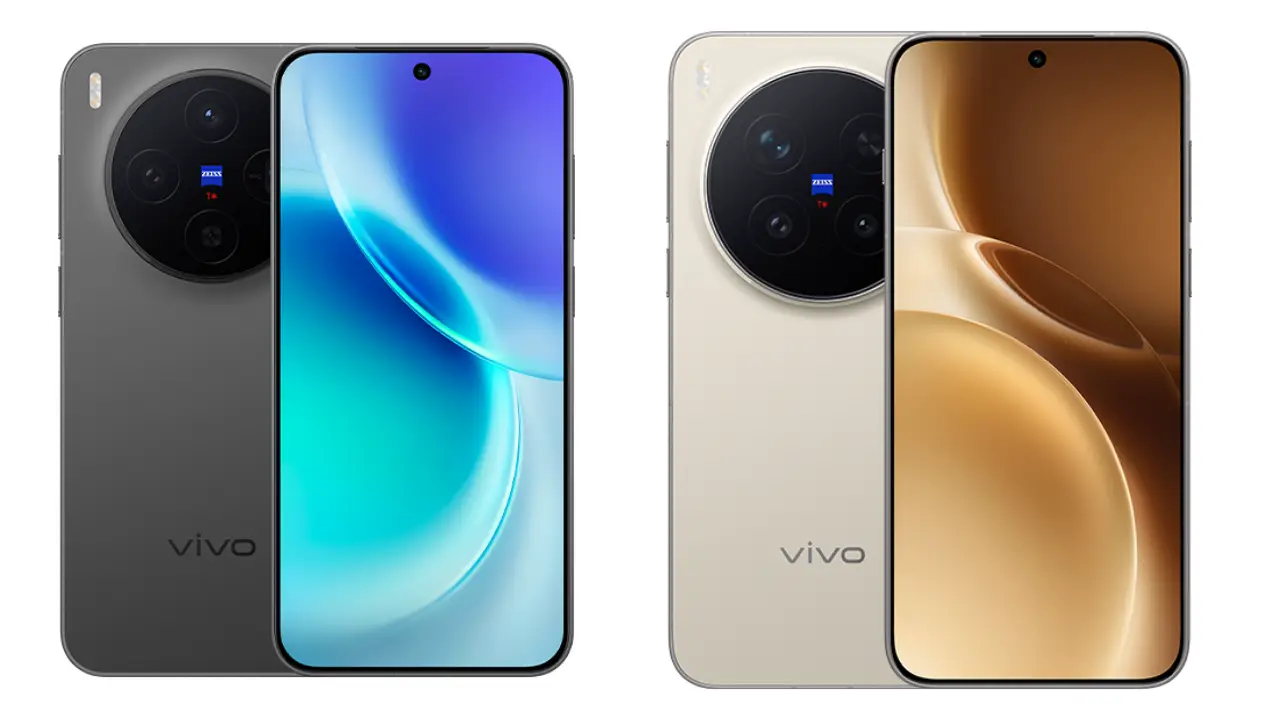
Vivo has once again elevated its design philosophy with the V60 Pro. The smartphone features a 7.8mm slim profile paired with a dual-curve glass finish that looks luxurious and feels comfortable during long usage sessions. Despite its advanced hardware, it weighs only 192 grams, making it ideal for everyday handling.
The phone is available in two elegant shades — Ocean Blue and Starry Black. Its matte finish prevents fingerprints, ensuring it stays clean and stylish throughout the day. Additionally, the device comes with IP65 dust and water resistance, making it durable enough to withstand splashes and light showers.
Immersive 6.7-inch Curved AMOLED Display
The 6.7-inch curved AMOLED display is one of the highlights of the V60 Pro 5G. Its Full HD+ resolution ensures crystal-clear visuals, while the 120Hz refresh rate provides fluid scrolling, smooth animations, and improved gaming responsiveness.
- Full HD+ resolution for sharp clarity
- 120Hz refresh rate for silky performance
- 1300 nits peak brightness for outdoor visibility
- HDR10+ support for cinematic content
Whether you’re watching movies, gaming, or browsing social media, the viewing experience feels premium and immersive.
Snapdragon 7 Gen 3 – Smooth, Fast & Future-Proof Performance
Under the hood, the Snapdragon 7 Gen 3 chipset powers the Vivo V60 Pro 5G, offering smooth daily usage and efficient multitasking. Paired with 12GB RAM, the device handles multiple apps effortlessly and performs exceptionally well in gaming scenarios.
- Runs BGMI, COD Mobile, and Genshin Impact smoothly
- Advanced cooling system to prevent overheating
- Android 15 with Vivo’s clean Funtouch OS
- Guaranteed 3 years of OS updates + 4 years of security patches
For casual gamers, professionals, and everyday users, this smartphone delivers balanced and reliable performance.
Zeiss-Enhanced 50MP Camera System
The Zeiss partnership continues to shine in Vivo’s camera department. The V60 Pro’s 50MP OIS main sensor captures stunning photos with natural colors, sharp details, and excellent dynamic range — both during the day and at night.
- 50MP OIS main camera for flagship-quality photography
- 12MP ultra-wide lens for landscapes and group photos
- 8MP telephoto lens with 2x optical zoom
- 32MP selfie camera for crisp, natural selfies
- 4K video recording with enhanced stabilization
Low-light performance is particularly strong, outperforming several competitors in the ₹35K segment.
Long-Lasting Battery + Super-Fast 80W Charging
The Vivo V60 Pro 5G packs a 5000mAh battery that easily lasts a full day of heavy usage. Whether you’re streaming videos, gaming, or multitasking, battery life remains impressive.
- 80W fast charging: 0–50% in just 15 minutes
- Full charge in approximately 35 minutes
- Charger included in the box
The only missing feature is wireless charging, but the ultra-fast wired charging compensates more than enough.
Vivo V60 Pro 5G – Full Specifications
| Display | 6.7″ Curved AMOLED, FHD+, 120Hz, HDR10+ |
| Processor | Snapdragon 7 Gen 3 |
| RAM | 12GB |
| Storage | 256GB |
| Rear Cameras | 50MP + 12MP + 8MP |
| Front Camera | 32MP |
| Battery | 5000mAh |
| Charging | 80W Fast Charging |
| OS | Android 15 (Funtouch) |
| Weight | 192g |
| Water Rating | IP65 |
| Price | Starts at ₹32,999 |
Price in India – November 2025
| Variant | Launch Price | Current Price |
| 12GB + 256GB | ₹34,999 | ₹32,999 |
With bank offers and exchanges, many users are getting it between ₹30,999 – ₹31,999.
Who Should Buy the Vivo V60 Pro 5G?
This smartphone is ideal for users who want:
- A premium curved AMOLED display
- Stunning camera performance with Zeiss tuning
- Strong everyday + gaming performance
- Superfast 80W charging with all-day battery
- A premium-looking device under ₹35K
It may not be ideal for users who specifically require wireless charging or plan heavy gaming for hours continuously.
Final Verdict – A Complete Mid-Range All-Rounder
The Vivo V60 Pro 5G stands out as one of the most well-rounded smartphones in the mid-range category. Its premium design, excellent camera system, smooth performance, and ultra-fast charging make it a value-packed choice under ₹35,000.
Rating: 9/10 — A top recommendation for 2025.
Frequently Asked Questions (FAQs)
1. What is the current price of Vivo V60 Pro 5G in India?
The effective price is around ₹32,999 with offers.
2. Does the Vivo V60 Pro support fast delivery?
Yes, most platforms deliver within 2–5 days depending on location.
3. Is it suitable for long trips or daily heavy use?
Yes, the 5000mAh battery and lightweight build make it perfect for daily and travel usage.
4. What offers are available?
₹2,000 bank discount, free TWS earbuds, zero-down-payment EMIs, and free 1-year extended warranty.
5. Where can I buy it?
Amazon, Flipkart, Vivo’s official store, and offline retail outlets.