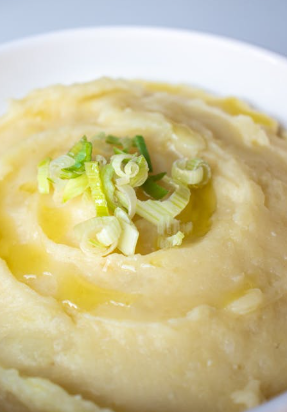
How to Make Creamy Mashed Potatoes Like a Restaurant (Ultra Smooth & Rich Recipe Guide)
Creamy mashed potatoes are one of the most comforting and satisfying side dishes in the world. Whether served alongside grilled chicken, steak, roasted vegetables, or holiday meals, perfectly smooth mashed potatoes can instantly elevate any plate.
But there’s a big difference between homemade mashed potatoes and the ultra-creamy, buttery version you get at restaurants. The good news? You can absolutely recreate that restaurant-style texture and flavor in your own kitchen with the right technique.
In this complete guide, you’ll learn how to make rich, silky, restaurant-quality mashed potatoes that are fluffy, smooth, and full of flavor every single time.
What Makes Restaurant Mashed Potatoes So Creamy?
Before jumping into the recipe, it helps to understand what restaurants do differently.
Professional chefs focus on three key things:
1. The Right Potato Choice
Restaurants usually avoid waxy potatoes and prefer starchy varieties like:
- Russet potatoes
- Yukon Gold potatoes
These potatoes break down easily and create a fluffy texture instead of a gummy or gluey one.
2. Proper Cooking Technique
Potatoes are often:
- Cut evenly for consistent cooking
- Boiled in salted water for flavor absorption
- Cooked until just tender (not falling apart)
3. High-Fat Ingredients
The signature creaminess comes from:
- Real butter (not margarine)
- Heavy cream or whole milk
- Sometimes cream cheese or sour cream for extra richness
Ingredients for Creamy Restaurant-Style Mashed Potatoes
This recipe serves 4–6 people.
Main Ingredients:
- 1 kg (about 2.2 lbs) potatoes (Russet or Yukon Gold)
- 4–6 tablespoons unsalted butter
- ½ to ¾ cup warm milk or heavy cream
- Salt (to taste)
Optional for extra richness:
- 2 tablespoons cream cheese
- 2 tablespoons sour cream
- Fresh black pepper
- Garlic (1–2 cloves, optional)
Step-by-Step Recipe: How to Make Creamy Mashed Potatoes
Follow these steps carefully for perfect results.
Step 1: Peel and Cut the Potatoes
Peel the potatoes and cut them into even chunks (about 1–2 inches).
Why this matters:
Even-sized pieces cook at the same rate, preventing:
- Undercooked chunks
- Overcooked mushy parts
Step 2: Boil in Salted Water
Place potatoes in a large pot and cover them with cold water. Add a generous pinch of salt.
Bring to a boil and cook for 15–20 minutes or until fork-tender.
Pro tip:
Start with cold water instead of hot water. This helps the potatoes cook evenly from the inside out.
Step 3: Drain and Dry the Potatoes
Once cooked:
- Drain the water completely
- Let potatoes sit in the hot pot for 1–2 minutes
This removes excess moisture, which is key for fluffy mashed potatoes.
Step 4: Mash While Hot
Mash the potatoes while they are still hot using:
- A potato masher (classic method)
- Or a potato ricer (restaurant secret for ultra-smooth texture)
Important tip:
Do NOT overmix. Overworking potatoes releases too much starch, making them gluey.
Step 5: Add Butter First
Add butter while the potatoes are still hot.
Stir gently until fully melted.
Why butter goes first:
Butter coats the starch molecules and adds richness before liquid is added.
Step 6: Add Warm Milk or Cream
Slowly pour in warm milk or heavy cream while mixing.
Continue until you reach your desired consistency:
- Thick and firm → less liquid
- Smooth and creamy → more liquid
Step 7: Add Flavor Enhancers (Optional)
For restaurant-level taste, mix in:
- Cream cheese (extra silky texture)
- Sour cream (slight tang + richness)
- Roasted garlic (deep flavor)
- Fresh ground black pepper
Step 8: Taste and Adjust
Add salt gradually and taste as you go.
Restaurant mashed potatoes are well-seasoned, not bland.
Secret Tips Restaurants Use (Don’t Skip These!)
If you want truly professional results, follow these secrets:
1. Use a Potato Ricer
A ricer creates fine, rice-like potato strands that make the mash ultra-smooth.
2. Warm Your Dairy
Cold milk or cream can cool down potatoes and make them dense. Always warm it first.
3. Don’t Overmix
Overmixing = sticky, glue-like texture. Stir gently and stop once combined.
4. Choose the Right Fat
Butter is essential. Margarine or low-fat substitutes will not give the same richness.
5. Season Properly
Salt is not optional—it enhances the natural flavor of potatoes.
Common Mistakes to Avoid
Even small errors can ruin mashed potatoes. Avoid these:
❌ Using waxy potatoes
They become gummy instead of fluffy.
❌ Overboiling
Waterlogged potatoes turn watery when mashed.
❌ Using cold butter or milk
Leads to uneven texture.
❌ Overmixing
Creates a glue-like consistency.
Variations of Creamy Mashed Potatoes
Once you master the basic recipe, try these delicious variations:
🧄 Garlic Mashed Potatoes
Add roasted garlic for a deep, savory flavor.
🧀 Cheesy Mashed Potatoes
Mix in:
- Cheddar cheese
- Parmesan
- Mozzarella
Perfect for comfort food lovers.
🌿 Herb Mashed Potatoes
Add:
- Chopped parsley
- Chives
- Thyme
Gives a fresh, aromatic twist.
🥓 Loaded Mashed Potatoes
Top with:
- Crispy bacon
- Cheese
- Sour cream
- Green onions
What to Serve with Creamy Mashed Potatoes
Mashed potatoes pair beautifully with:
- Grilled or roasted chicken
- Beef steak
- Fried fish
- Meatloaf
- Roasted vegetables
- Thanksgiving or holiday meals
They also work as a comfort-food base for gravies and sauces.
Storage and Reheating Tips
Refrigeration:
Store leftovers in an airtight container for up to 3 days.
Reheating:
Reheat on low heat with a splash of milk or butter to restore creaminess.
Avoid microwaving without moisture, as it can dry them out.
Nutritional Note
Mashed potatoes are:
- Rich in carbohydrates (energy source)
- Contain potassium and vitamin C
- High in calories when made with butter and cream
For a lighter version, you can reduce butter and use low-fat milk—but it will slightly affect creaminess.
Final Thoughts
Making restaurant-style creamy mashed potatoes at home is all about technique, not complexity. With the right potatoes, proper cooking method, and careful mixing, you can achieve a smooth, buttery texture that rivals any restaurant dish.