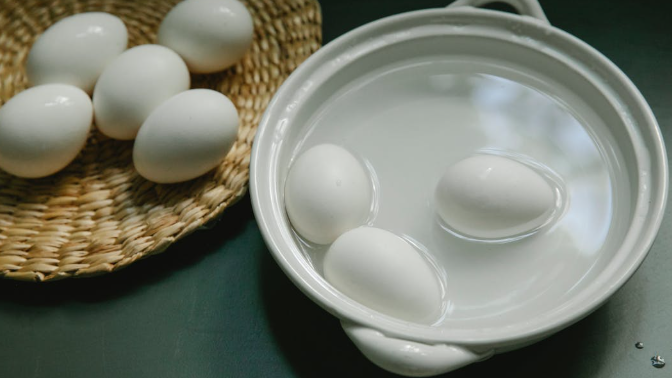
The Secret to Easy-to-Peel Hard-Boiled Eggs
Hard-boiled eggs are a nutritious, affordable, and versatile food enjoyed around the world. Whether you’re preparing them for breakfast, meal prep, salads, or snacks, there’s one common frustration many home cooks face: eggs that refuse to peel cleanly.
Few kitchen experiences are more disappointing than removing the shell only to find large chunks of egg white coming off with it. The result is often a rough-looking egg that may still taste great but doesn’t look as appealing.
The good news is that easy-to-peel hard-boiled eggs are possible. While no method works perfectly every single time, several simple techniques can significantly improve your chances of getting smooth, beautifully peeled eggs.
Let’s explore the secrets behind easy-to-peel hard-boiled eggs and the science that makes a difference.
Why Are Some Hard-Boiled Eggs Difficult to Peel?
The answer lies in the relationship between the eggshell, the membranes beneath it, and the egg white.
Inside every egg are two thin membranes located just beneath the shell. When eggs are very fresh, the egg white tends to cling more tightly to these membranes.
As eggs age slightly, changes occur inside the egg that often make peeling easier.
This is one reason why some eggs practically peel themselves while others seem impossible to remove cleanly.
Secret #1: Use Eggs That Are Not Extremely Fresh
One of the most widely recommended tips for easy peeling is to use eggs that have been in the refrigerator for about one to two weeks rather than eggs that were laid very recently.
Why Slightly Older Eggs Peel Better
As eggs age:
- Moisture gradually escapes through the shell.
- The egg’s pH changes.
- The membrane separates more easily from the egg white.
These changes often make peeling much easier.
Is Freshness Still Important?
Absolutely. Eggs should always be stored properly and used before their expiration date. Slightly older refrigerated eggs are often ideal for hard boiling.
Secret #2: Start With Boiling Water
Many cooks place eggs into cold water and then bring the pot to a boil. While this method works, starting with already boiling water may improve peelability.
How It Helps
When eggs encounter hot water immediately:
- The egg white tends to set more quickly.
- The bond between the white and membrane may be reduced.
This can lead to cleaner peeling after cooking.
Simple Method
- Bring water to a gentle boil.
- Carefully lower eggs into the water using a spoon.
- Cook according to your preferred level of doneness.
Always handle hot water carefully to avoid burns.
Secret #3: Use an Ice Bath Immediately After Cooking
Perhaps the most important step for easy peeling is rapidly cooling the eggs after cooking.
Why an Ice Bath Works
Placing cooked eggs into ice water helps:
- Stop the cooking process
- Cool the eggs quickly
- Encourage the egg white to contract slightly
This separation may make the shell easier to remove.
How to Do It
- Fill a bowl with ice and cold water.
- Transfer the cooked eggs directly into the ice bath.
- Let them cool for at least 10 to 15 minutes.
Many home cooks consider this step essential.
Secret #4: Crack and Roll the Egg Gently
The peeling technique itself matters.
Effective Peeling Method
- Tap the egg gently on a hard surface.
- Roll it lightly to create multiple small cracks.
- Begin peeling under running water if desired.
The water may help loosen shell fragments and make peeling smoother.
Avoid Excessive Force
Peeling too aggressively can remove chunks of egg white and damage the egg.
Secret #5: Peel Eggs While They’re Slightly Warm
Some people find eggs easier to peel when they are no longer hot but still slightly warm.
Why This May Help
The shell and membrane may separate more easily before the egg becomes fully chilled.
Experiment for Best Results
Different eggs may respond differently, so many cooks test both warm and fully cooled peeling methods.
A Simple Foolproof Hard-Boiled Egg Method
If you’re looking for a reliable approach, try this step-by-step process:
Ingredients
- Eggs
- Water
- Ice
Instructions
- Bring a pot of water to a gentle boil.
- Carefully lower eggs into the boiling water.
- Cook for 10–12 minutes, depending on preferred firmness.
- Transfer immediately to an ice bath.
- Cool for at least 10–15 minutes.
- Crack and peel gently.
This method often produces consistently good results.
Common Mistakes That Can Make Eggs Harder to Peel
Using Extremely Fresh Eggs
Very fresh eggs tend to cling more tightly to the shell membrane.
Skipping the Ice Bath
Without rapid cooling, peeling may become more difficult.
Peeling Too Soon
Extremely hot eggs can sometimes be harder to handle and peel effectively.
Overcooking
Excessive cooking can affect texture and may contribute to less desirable results.
Nutritional Benefits of Hard-Boiled Eggs
Beyond being easy to prepare, hard-boiled eggs offer several nutritional advantages.
Protein
Eggs provide high-quality protein that supports muscle maintenance and overall health.
Vitamins and Minerals
They contain nutrients such as:
- Vitamin B12
- Vitamin D
- Selenium
- Choline
- Riboflavin
Convenience
Hard-boiled eggs are portable, require minimal preparation, and can fit into many eating patterns.
How Long Do Hard-Boiled Eggs Last?
Proper storage is important for both quality and food safety.
Refrigerated Hard-Boiled Eggs
Hard-boiled eggs can generally be stored in the refrigerator for up to one week.
Storage Tips
- Keep eggs refrigerated.
- Store them in a covered container.
- Label the preparation date if needed.
Always discard eggs that develop unusual odors or signs of spoilage.
Frequently Asked Questions
Does Adding Salt to the Water Help?
Some cooks add salt, though evidence is mixed regarding whether it significantly improves peeling.
Does Baking Soda Make a Difference?
Some people believe baking soda may alter the water’s pH and improve peelability, but results can vary.
Are White Eggs Easier to Peel Than Brown Eggs?
Shell color does not determine peelability. Freshness and cooking technique tend to be more important factors.
Final Thoughts
The secret to easy-to-peel hard-boiled eggs often comes down to a few simple techniques: using eggs that are not extremely fresh, starting with boiling water, cooling them quickly in an ice bath, and using a gentle peeling method.
While no approach guarantees perfection every time, these strategies can greatly improve your chances of achieving smooth, attractive hard-boiled eggs with minimal frustration.
Whether you’re preparing eggs for breakfast, meal prep, salads, or snacks, mastering these simple tips can save time and help you enjoy consistently better results in the kitchen.
Sometimes the smallest cooking tricks make the biggest difference—and easy-to-peel hard-boiled eggs are a perfect example.