Every Woman Should Know About the Potential Benefits of Cloves
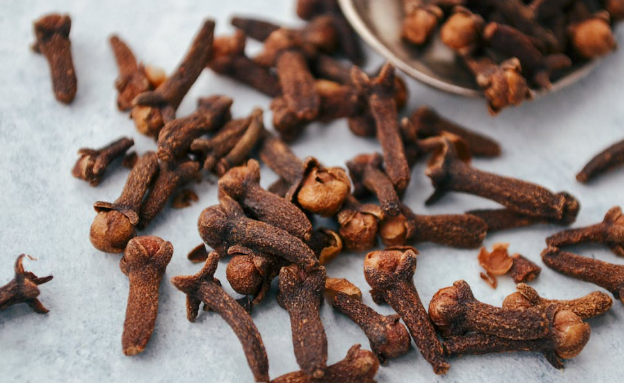
Cloves are small, aromatic flower buds that have been used for centuries in cooking and traditional wellness practices around the world. Known for their warm flavor and distinctive fragrance, cloves are rich in natural compounds that have attracted scientific interest for their potential health-supporting properties.
While cloves are not a cure for any disease, they contain nutrients and plant compounds that may contribute to overall well-being when consumed as part of a balanced diet. For women in particular, cloves may offer several potential benefits related to nutrition, digestion, oral health, and general wellness.
If you’re looking for natural ways to support a healthy lifestyle, here are some of the potential benefits of cloves that every woman should know about.
What Are Cloves?
Cloves come from the dried flower buds of the clove tree (Syzygium aromaticum), an evergreen tree native to parts of Southeast Asia.
They are commonly used in:
- Cooking
- Baking
- Herbal teas
- Spice blends
- Traditional wellness practices
Cloves contain several beneficial compounds, including:
- Eugenol
- Manganese
- Fiber
- Antioxidants
- Various plant-based nutrients
These compounds contribute to cloves’ unique aroma and potential health-supporting properties.
1. Cloves Are Rich in Antioxidants
One of the most notable qualities of cloves is their high antioxidant content.
Why Antioxidants Matter
Antioxidants help protect cells from oxidative stress caused by unstable molecules known as free radicals.
Oxidative stress is a natural process that occurs in the body, but excessive levels may contribute to cellular damage over time.
How Cloves Help
Cloves contain several antioxidant compounds, including eugenol, which may help support the body’s natural defense systems.
Including antioxidant-rich foods in your diet is one way to support overall health and wellness.
2. They May Support Digestive Health
Cloves have long been used in traditional practices related to digestion.
Potential Digestive Benefits
Some people use cloves to help support:
- Comfortable digestion
- Reduced feelings of bloating
- Normal digestive processes
How They Are Commonly Consumed
Cloves may be enjoyed as:
- A spice in meals
- Herbal tea
- An ingredient in warm beverages
While individual responses vary, many people include cloves as part of a digestive-friendly diet.
3. Cloves May Contribute to Oral Health
Cloves have a long history of use in oral care traditions.
Why Cloves Are Associated With Oral Health
Eugenol, one of the primary compounds in cloves, has been widely studied for its properties and is commonly used in some dental applications.
Traditional Uses
People have historically used cloves to:
- Freshen breath
- Support oral hygiene
- Promote comfort in the mouth
Regular brushing, flossing, and professional dental care remain the foundation of good oral health.
4. They Provide Important Nutrients
Although cloves are typically consumed in small amounts, they contain several nutrients that contribute to a healthy diet.
Notable Nutrients Found in Cloves
- Manganese
- Fiber
- Vitamin K (in small amounts)
- Various plant compounds
The Role of Manganese
Manganese supports several normal bodily functions, including those involved in metabolism and bone health.
A varied diet remains the best way to obtain essential nutrients.
5. Cloves May Support a Balanced Diet
Adding spices to meals is a simple way to enhance flavor without relying on excessive amounts of salt or sugar.
Healthy Culinary Uses
Cloves can be added to:
- Oatmeal
- Tea
- Soups
- Rice dishes
- Baked goods
- Smoothies
Their strong flavor means a small amount can go a long way.
Encouraging Nutritious Eating
Using flavorful spices may make healthy foods more enjoyable and easier to incorporate into daily meals.
6. They May Help Support Overall Wellness
Many plant-based foods contain compounds that contribute to overall health, and cloves are no exception.
Why Variety Matters
A diet that includes:
- Fruits
- Vegetables
- Herbs
- Spices
- Whole grains
provides a wide range of beneficial nutrients and phytochemicals.
Cloves can be one small part of a broader healthy eating pattern.
7. Cloves Are Popular in Herbal Teas
Many women enjoy cloves as part of warm herbal beverages.
Why Clove Tea Is Popular
Clove tea is:
- Naturally aromatic
- Caffeine-free
- Easy to prepare
Simple Clove Tea Recipe
Ingredients:
- 2–3 whole cloves
- 1 cup hot water
Instructions:
- Place cloves in hot water.
- Steep for 5–10 minutes.
- Strain and enjoy.
Some people add cinnamon, ginger, or lemon for additional flavor.
8. They May Support Healthy Aging
Healthy aging is influenced by many factors, including nutrition, physical activity, sleep, and stress management.
The Role of Plant Compounds
Foods rich in antioxidants and phytonutrients may help support overall wellness as part of a balanced lifestyle.
Cloves contain compounds that contribute to their antioxidant profile, making them a flavorful addition to a health-conscious diet.
9. Cloves Are Easy to Include in Everyday Meals
One advantage of cloves is their versatility.
Ways to Use Cloves
You can add cloves to:
- Tea
- Coffee blends
- Rice dishes
- Curries
- Soups
- Fruit desserts
- Homemade spice mixes
Whole vs. Ground Cloves
Both forms are commonly available and can be used according to personal preference and recipe requirements.
10. They Offer a Natural Source of Flavor
Many processed foods contain added sugars, sodium, and artificial flavorings.
A Flavorful Alternative
Cloves provide:
- Rich aroma
- Natural sweetness
- Warm spice notes
Using herbs and spices to enhance flavor can support healthier cooking habits.
Important Considerations
While cloves are generally considered safe when used in normal culinary amounts, moderation is important.
Keep in Mind
- Large amounts may not be appropriate for everyone.
- Clove supplements may interact with certain medications.
- Pregnant or breastfeeding women should consult a healthcare professional before using concentrated herbal products.
If you have a medical condition or take prescription medications, it is always wise to discuss supplements or significant dietary changes with your healthcare provider.
Common Myths About Cloves
Myth #1: Cloves Cure Diseases
No food or spice can cure diseases on its own. Cloves should be viewed as part of a healthy diet, not a medical treatment.
Myth #2: More Cloves Means More Benefits
Consuming excessive amounts does not necessarily provide additional benefits and may increase the risk of unwanted effects.
Myth #3: Cloves Replace Medical Care
Cloves can complement a healthy lifestyle, but they are not a substitute for professional healthcare advice or treatment.
How to Choose and Store Cloves
Selecting Quality Cloves
Look for cloves that:
- Have a strong aroma
- Appear intact
- Are free from moisture or mold
Storage Tips
Store cloves in:
- An airtight container
- A cool, dry location
- Away from direct sunlight
Proper storage helps preserve flavor and quality.
Final Thoughts
Cloves are a flavorful spice with a long history of culinary and traditional use. Rich in antioxidants and beneficial plant compounds, they may support overall wellness, digestive comfort, oral health, and healthy eating habits when incorporated into a balanced diet.
For women seeking simple ways to add variety and nutrition to their meals, cloves can be a versatile and enjoyable ingredient. Whether added to tea, baked goods, soups, or savory dishes, cloves offer both flavor and potential health-supporting benefits.
As with any food or supplement, moderation is key. When used as part of a healthy lifestyle that includes nutritious foods, regular physical activity, and routine healthcare, cloves can be a valuable addition to everyday wellness practices.