Perfect Ribeye Steak Recipe at Home
How to Cook a Juicy, Tender, Restaurant-Style Ribeye Steak in Your Own Kitchen
A perfectly cooked ribeye steak is one of the most satisfying meals you can make at home. Known for its rich flavor, tender texture, and beautiful marbling, ribeye is a favorite cut among steak lovers around the world. The good news is that you don’t need a fancy restaurant kitchen to enjoy a steakhouse-quality meal.
With the right preparation, simple seasoning, and proper cooking technique, you can make a perfect ribeye steak at home that is juicy on the inside, beautifully seared on the outside, and packed with incredible flavor.
This easy guide will show you how to select the best ribeye, prepare it properly, cook it to your preferred doneness, and create a delicious steak dinner your family and guests will love.
Why Ribeye Steak Is So Popular
Ribeye is considered one of the most flavorful cuts of beef because of its generous marbling—the thin streaks of fat distributed throughout the meat.
During cooking, this fat melts and creates:
- Rich beef flavor
- Juicy texture
- Tender bites
- A buttery mouthfeel
Unlike leaner cuts, ribeye naturally contains enough fat to remain moist and flavorful when cooked correctly.
Choosing the Best Ribeye Steak
The quality of your steak begins before you even start cooking.
Look for Good Marbling
Marbling refers to the small white lines of fat running through the steak.
More marbling generally means:
- More flavor
- Better tenderness
- A juicier finished steak
Choose the Right Thickness
For the best results, select a ribeye that is:
- About 1½ to 2 inches thick
A thicker steak allows you to create a flavorful crust while keeping the inside perfectly cooked.
Bone-In vs. Boneless Ribeye
Both options are excellent.
Bone-In Ribeye
Benefits:
- Rich presentation
- Slightly enhanced flavor
- Traditional steakhouse appeal
Boneless Ribeye
Benefits:
- Easier to cook evenly
- Easier to slice and serve
Ingredients
For the Ribeye Steak
- 2 ribeye steaks (1½–2 inches thick)
- 1 tablespoon olive oil
- 2 teaspoons kosher salt
- 1 teaspoon freshly ground black pepper
Garlic Herb Butter
- 4 tablespoons unsalted butter
- 3 cloves garlic, crushed
- 2 sprigs fresh rosemary
- 2 sprigs fresh thyme
- 1 tablespoon chopped parsley
Equipment Needed
You will need:
- Cast iron skillet or heavy pan
- Tongs
- Meat thermometer
- Cutting board
- Sharp knife
A cast iron skillet is ideal because it holds heat well and creates a beautiful crust.
Step-by-Step Instructions
Step 1: Bring the Steak to Room Temperature
Remove the ribeye from the refrigerator about:
30–60 minutes before cooking
Allowing the steak to warm slightly helps it cook more evenly.
Step 2: Dry and Season the Steak
Pat the steak completely dry using paper towels.
Drying is important because moisture prevents proper browning.
Coat both sides with:
- Olive oil
- Salt
- Black pepper
Season generously because a thick steak requires enough seasoning to flavor every bite.
Step 3: Preheat the Pan
Place a cast iron skillet over high heat.
Allow it to become very hot.
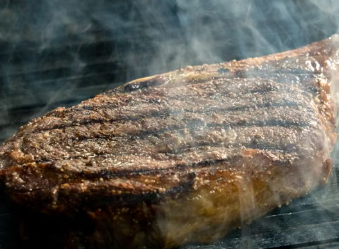
A properly heated pan helps create the signature steak crust.
Step 4: Sear the Ribeye
Place the steak in the hot skillet.
You should hear a strong sizzling sound.
Cook:
- 3–4 minutes on the first side
- 3–4 minutes on the second side
Avoid moving the steak too much while searing.
A good crust develops when the steak remains in contact with the pan.
Step 5: Add Garlic Herb Butter
Reduce the heat slightly.
Add:
- Butter
- Garlic
- Rosemary
- Thyme
Once the butter melts, tilt the pan slightly and spoon the melted butter over the steak repeatedly.
This process is called butter basting.
It adds:
- Rich flavor
- Herbal aroma
- Extra moisture
Step 6: Check the Temperature
Use a meat thermometer for accuracy.
Recommended internal temperatures:
Rare
120–125°F (49–52°C)
Medium Rare
130–135°F (54–57°C)
Medium
140–145°F (60–63°C)
Medium Well
150–155°F (65–68°C)
Well Done
160°F (71°C) or higher
For many steak enthusiasts, medium rare is preferred because it provides the best balance of tenderness and juiciness.
Step 7: Rest the Steak
Transfer the steak to a cutting board.
Allow it to rest for:
5–10 minutes
Resting allows the juices to redistribute throughout the meat.
Cutting too soon can cause flavorful juices to escape.
The Secret to a Perfect Steak Crust
A beautiful crust comes from a process called the Maillard reaction, which occurs when the surface of the meat browns during high-heat cooking.
To achieve the best crust:
- Dry the steak thoroughly
- Use a hot pan
- Avoid overcrowding
- Don’t flip repeatedly
- Allow proper contact with the cooking surface
Best Seasonings for Ribeye Steak
A great ribeye does not need complicated seasoning.
Classic options include:
Simple Salt and Pepper
Allows the natural beef flavor to shine.
Garlic Herb Seasoning
Adds aromatic richness.
Steakhouse Blend
Common ingredients include:
- Salt
- Black pepper
- Garlic powder
- Onion powder
- Paprika
Spicy Steak Rub
Add:
- Chili powder
- Cayenne pepper
- Smoked paprika
for extra heat.
Delicious Sauces for Ribeye Steak
Although ribeye is flavorful on its own, sauces can add variety.
Garlic Butter Sauce
A classic choice that enhances the steak’s natural richness.
Mushroom Cream Sauce
Pairs beautifully with the beef’s savory flavor.
Peppercorn Sauce
Adds a creamy, slightly spicy finish.
Chimichurri
A fresh herb sauce that provides brightness and contrast.
Perfect Side Dishes for Ribeye Steak
A great steak dinner is all about balance.
Mashed Potatoes
Creamy potatoes pair perfectly with juicy steak juices.
Roasted Vegetables
Try:
- Asparagus
- Broccoli
- Brussels sprouts
- Carrots
Steakhouse Salad
A crisp salad provides freshness alongside the rich meat.
Garlic Bread
Perfect for enjoying extra butter and sauces.
Common Mistakes When Cooking Ribeye
Starting With a Cold Steak
Cold steak cooks unevenly.
Allow it to rest before cooking.
Using Too Little Seasoning
A thick steak needs enough seasoning to enhance its flavor.
Cooking at the Wrong Temperature
Low heat may prevent proper browning.
Very high heat for too long can burn the outside before the inside is ready.
Cutting Immediately After Cooking
Resting is essential for juicy results.
Overcrowding the Pan
Too many steaks reduce the pan temperature and prevent proper searing.
Oven-Finished Ribeye Method
For thicker steaks, you can use a combination method.
- Sear the steak in a hot skillet.
- Transfer it to a preheated oven at 400°F (204°C).
- Cook until the desired internal temperature is reached.
- Rest before slicing.
This method creates an excellent crust while ensuring even cooking.
Grilling Ribeye Steak
Ribeye is also excellent on the grill.
Instructions:
- Preheat the grill to high heat.
- Season the steak.
- Grill for 4–5 minutes per side.
- Move to indirect heat if needed.
- Cook until desired doneness.
- Rest before serving.
Grilling adds a delicious smoky flavor.
How to Store Leftover Ribeye
Refrigerator
Store leftover steak in an airtight container.
Use within:
3–4 days
Freezer
Wrap tightly and freeze for up to:
3 months
How to Reheat Ribeye Without Drying It Out
The best method is gentle reheating.
Oven Method:
- Heat oven to 250°F (120°C).
- Warm steak slowly until heated.
- Finish briefly in a hot pan if desired.
Avoid high microwave heat, which can make steak tough.
Frequently Asked Questions
What is the best way to cook ribeye steak at home?
Pan-searing in a hot cast iron skillet with garlic herb butter is one of the best methods for creating a flavorful crust and juicy center.
Should I marinate ribeye steak?
Ribeye usually does not require marinating because it already has excellent flavor and tenderness.
How long should ribeye rest before cooking?
Let the steak sit at room temperature for about 30–60 minutes before cooking.
How do I know when ribeye is done?
The most accurate method is checking the internal temperature with a meat thermometer.
Can I cook frozen ribeye steak?
Yes, but thawing first usually provides more even cooking and better seasoning results.
Final Thoughts
Making the perfect ribeye steak at home is easier than many people think. The key is choosing a quality steak, seasoning it simply, creating a strong sear, and allowing enough time for resting.
With a hot skillet, flavorful garlic herb butter, and the right cooking technique, you can enjoy a juicy, tender ribeye that rivals your favorite steakhouse.
Serve it with classic sides, your favorite sauce, and a little confidence in the kitchen. This simple recipe proves that an unforgettable steak dinner can be created right at home.