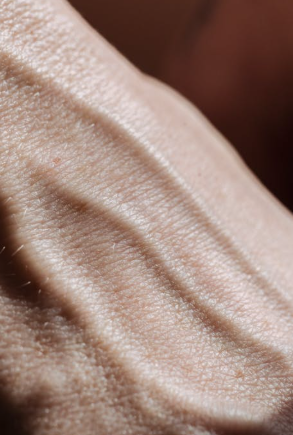
What Visible Veins May Reveal About Your Health
Visible veins are something many people notice at some point in their lives. For some, prominent veins appear naturally due to genetics or body type. For others, veins may become more noticeable with age, exercise, pregnancy, or changes in circulation. While visible veins are often harmless, they can sometimes provide clues about your overall health and vascular system.
The body’s network of veins plays a vital role in circulation, carrying blood back to the heart after oxygen has been delivered to tissues and organs. Because veins are located throughout the body, changes in their appearance can occasionally reflect changes occurring beneath the surface.
Understanding what causes veins to become visible—and recognizing when vein changes may require medical attention—can help you make informed decisions about your health.
Understanding How Veins Work
Veins are blood vessels responsible for transporting blood back to the heart. Unlike arteries, which carry oxygen-rich blood away from the heart under high pressure, veins operate under lower pressure and rely on valves and muscle movement to keep blood flowing in the correct direction.
Healthy veins contain one-way valves that prevent blood from flowing backward. These valves work continuously to ensure efficient circulation.
When veins become enlarged, twisted, or more visible, various factors may be involved, ranging from completely normal body changes to underlying circulation issues.
Why Some Veins Are More Visible Than Others
Not all visible veins indicate a health problem. In many cases, vein visibility depends on factors such as:
- Skin thickness
- Body fat percentage
- Age
- Genetics
- Physical activity
- Environmental temperature
- Hormonal changes
Some people naturally have more prominent veins than others without experiencing any medical concerns.
1. Visible Veins May Reflect Natural Aging
One of the most common reasons veins become more noticeable is the aging process.
How Aging Affects Veins
As people age, several natural changes occur:
- Skin becomes thinner
- Collagen production decreases
- Fat beneath the skin gradually diminishes
- Blood vessels become more visible
These changes are particularly noticeable on the:
- Hands
- Forearms
- Feet
- Legs
Many older adults notice blue or green veins becoming increasingly prominent over time.
Is This Cause for Concern?
In most cases, age-related vein visibility is completely normal and does not indicate a serious medical issue.
However, if visible veins are accompanied by pain, swelling, or skin changes, further evaluation may be appropriate.
2. Low Body Fat Can Make Veins More Prominent
Body composition significantly affects how visible veins appear.
Why It Happens
A layer of fat normally sits between the skin and blood vessels. When body fat levels decrease, veins are closer to the skin’s surface and become easier to see.
This is common among:
- Athletes
- Bodybuilders
- Cyclists
- Runners
- Fitness enthusiasts
What It Means
In healthy individuals, visible veins due to low body fat often indicate physical conditioning rather than a health problem.
Many athletes intentionally maintain low body fat percentages that make veins highly visible during training and competition.
3. Exercise Can Temporarily Increase Vein Visibility
If you’ve ever noticed your veins appearing larger after a workout, you’re not alone.
What Happens During Exercise?
Physical activity increases blood flow to working muscles. As circulation increases:
- Veins expand slightly
- Blood volume rises in active areas
- Muscles push veins closer to the skin surface
The result is often more prominent veins in the:
- Arms
- Hands
- Shoulders
- Legs
Temporary vs. Permanent Changes
Temporary vein enlargement during exercise is generally considered normal.
Individuals who engage in regular strength training may also develop permanently more visible veins due to increased muscle size and reduced body fat.
4. Heat and Warm Weather Affect Vein Appearance
Many people notice their veins becoming more prominent during hot weather.
Why Heat Changes Vein Visibility
The body regulates temperature by widening blood vessels near the skin surface, a process known as vasodilation.
This allows excess heat to escape more efficiently.
As veins expand:
- They become easier to see
- The skin may appear more flushed
- Mild swelling may occur in the feet and ankles
Usually Not a Medical Concern
Heat-related vein changes are typically temporary and improve once temperatures return to normal.
5. Varicose Veins May Indicate Valve Weakness
One of the most recognizable vein conditions is varicose veins.
What Are Varicose Veins?
Varicose veins occur when vein valves weaken or become damaged, allowing blood to pool within the veins.
This can cause veins to become:
- Enlarged
- Twisted
- Raised above the skin surface
Common Symptoms
People with varicose veins may experience:
- Aching legs
- Heaviness
- Swelling
- Throbbing discomfort
- Nighttime leg cramps
Risk Factors
Several factors increase the likelihood of developing varicose veins:
- Aging
- Family history
- Pregnancy
- Obesity
- Prolonged standing
- Lack of physical activity
Although often viewed as a cosmetic issue, severe varicose veins may sometimes lead to complications that require medical treatment.
6. Spider Veins May Reflect Changes in Small Blood Vessels
Spider veins are another common vascular condition.
Appearance
Spider veins appear as:
- Thin red lines
- Blue or purple branches
- Web-like patterns beneath the skin
They commonly develop on:
- Legs
- Ankles
- Face
What Causes Spider Veins?
Potential contributing factors include:
- Genetics
- Hormonal fluctuations
- Aging
- Sun exposure
- Pregnancy
Are Spider Veins Dangerous?
Spider veins are usually harmless and rarely indicate serious health problems.
Many people seek treatment primarily for cosmetic reasons.
7. Visible Veins Can Sometimes Signal Circulation Problems
Although visible veins are often harmless, certain changes may indicate circulation concerns.
Warning Signs to Watch For
Seek medical evaluation if visible veins are accompanied by:
- Persistent swelling
- Leg pain
- Skin discoloration
- Burning sensations
- Ulcers or sores
- Changes in skin texture
These symptoms may suggest problems affecting blood flow or vein function.
Why Circulation Matters
Healthy circulation helps:
- Deliver oxygen to tissues
- Remove waste products
- Support wound healing
- Maintain tissue health
When circulation is impaired, symptoms may become noticeable in the legs and feet first.
8. Pregnancy Often Causes Vein Changes
Pregnancy places unique demands on the circulatory system.
Why Veins Become More Visible During Pregnancy
Several factors contribute:
- Increased blood volume
- Hormonal changes
- Pressure from the growing uterus
- Changes in circulation
As a result, veins may appear larger and more prominent.
Common Locations
Pregnant women often notice visible veins in:
- Legs
- Feet
- Pelvic region
- Abdomen
Do Veins Return to Normal?
Many vein changes improve after delivery, though some may persist.
9. Family History Plays a Significant Role
Genetics strongly influence vein health.
Inherited Traits
Some individuals naturally have:
- Thinner skin
- More visible veins
- Weaker vein valves
- Greater susceptibility to varicose veins
If close family members have prominent veins or vein-related conditions, your likelihood of experiencing similar changes may be higher.
Genetics Aren’t Everything
Lifestyle habits still play an important role in maintaining healthy circulation and supporting vascular health.
10. Sudden Changes in Vein Appearance Should Not Be Ignored
While gradual vein changes are often normal, sudden changes deserve attention.
Potential Warning Signs
Consider seeking medical advice if you experience:
- Rapid swelling
- Sudden pain
- Warmth around a vein
- Significant redness
- Tenderness
- New bulging veins appearing unexpectedly
These symptoms may indicate a condition requiring prompt evaluation.
How to Support Healthy Veins
Maintaining healthy veins involves supporting overall circulation and cardiovascular health.
Stay Physically Active
Regular exercise encourages blood flow and helps strengthen muscles that assist circulation.
Activities such as:
- Walking
- Cycling
- Swimming
- Light strength training
can help support vascular function.
Avoid Long Periods of Sitting
Sitting for extended periods can reduce blood flow in the legs.
Consider:
- Standing regularly
- Stretching throughout the day
- Taking short walks
Maintain a Healthy Weight
Healthy body weight may reduce pressure on leg veins and improve circulation.
Stay Hydrated
Adequate hydration supports healthy blood flow and overall wellness.
Elevate Your Legs
Occasionally elevating your legs above heart level may help reduce swelling and support venous return.
Wear Comfortable Clothing
Avoid excessively tight clothing that may restrict circulation around the waist, legs, or groin.
Common Myths About Visible Veins
Myth #1: Visible Veins Always Mean Poor Health
Many healthy individuals naturally have prominent veins due to genetics, age, or fitness levels.
Myth #2: Only Older Adults Get Visible Veins
Visible veins can occur at any age and are not limited to older individuals.
Myth #3: Exercise Causes Vein Damage
Exercise typically supports healthy circulation and is not usually responsible for harmful vein conditions.
Myth #4: All Varicose Veins Are Dangerous
Many varicose veins remain mild and manageable, although some cases may benefit from medical evaluation.
When to See a Healthcare Professional
Visible veins are often harmless, but medical evaluation may be appropriate if you experience:
- Persistent swelling
- Significant discomfort
- Skin ulcers
- Changes in skin color
- Sudden vein enlargement
- Recurring leg pain
- Warm or tender veins
A healthcare professional can assess your symptoms and determine whether additional testing is necessary.
Final Thoughts
Visible veins are a common part of life and are often influenced by factors such as age, genetics, body composition, exercise habits, and environmental conditions. In many cases, they are completely normal and do not indicate a serious health issue.
However, veins can occasionally provide valuable clues about circulation and vascular health. Conditions such as varicose veins, chronic swelling, and persistent discomfort may signal underlying issues that deserve medical attention.
Paying attention to changes in your veins, staying physically active, maintaining healthy lifestyle habits, and seeking professional guidance when necessary can help support long-term circulation and overall wellness.
While visible veins are usually nothing to worry about, understanding what they may reveal about your health can help you stay informed and proactive about your well-being.